
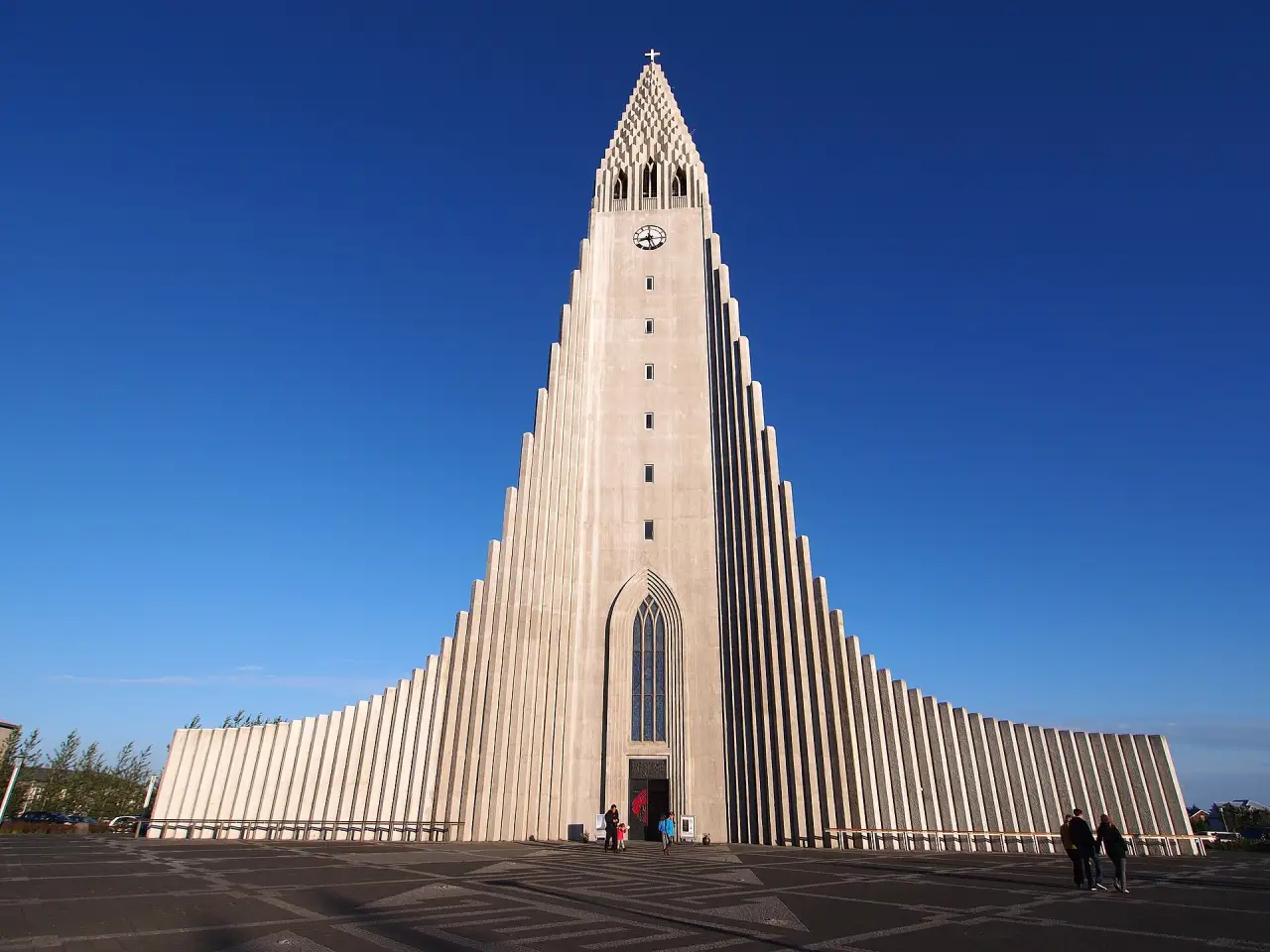
Iceland Northern Lights
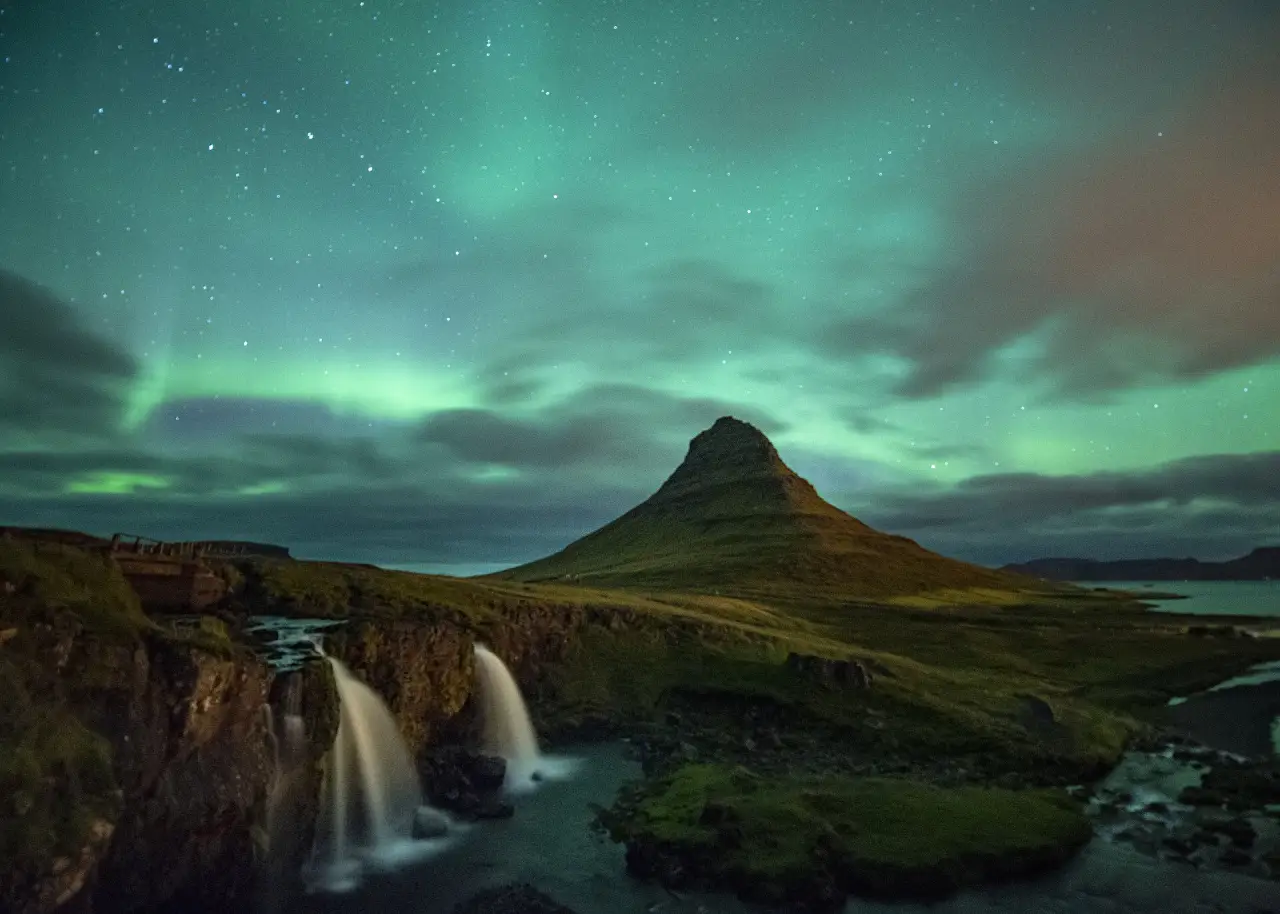
Northern lights from September to March, the geysers and waterfalls of the Golden Circle, black-sand beaches and glacier hikes on the South Coast, ice caves in winter, and a soak in the Blue Lagoon before you fly home.
- Best time to go
- Mid-September to March for the northern lights, with ice caves from about November. June to August brings the midnight sun, puffins and open highland roads, but no aurora.
- Flying from India
- No non-stop flights. Connect through a European hub such as London, Frankfurt, Amsterdam, Copenhagen or Helsinki; about 14 to 18 hours in total.
- Visa for Indian passports
- Schengen short-stay visa: one visa covers every Schengen country on the route. Apply at the consulate of the country where you spend most nights, up to six months ahead; spring and summer appointments fill early. Fingerprints and a photo are taken at your first border under the EU Entry/Exit System.
- Currency
- Icelandic króna (ISK). Cards and phone payments are accepted almost everywhere, even for small amounts; you rarely need cash.
Iceland at a glance
Iceland's northern lights season runs from mid-September to March, when the nights are dark enough. Seeing them depends on clear skies and solar activity, so the best plan is several nights outside Reykjavík's lights with a guide who follows the forecast. Days are short in mid-winter, around four to five hours of light in December, but the low sun makes the landscape glow.
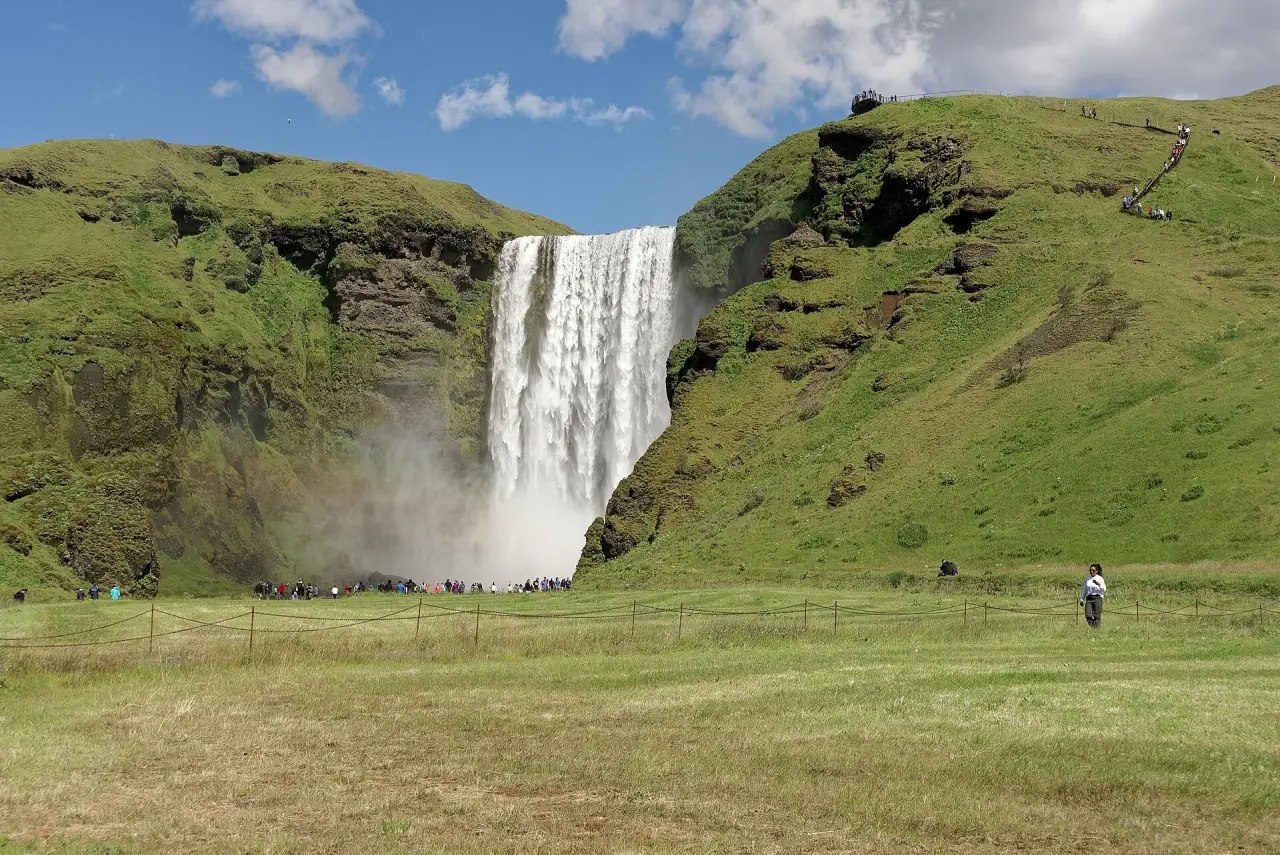
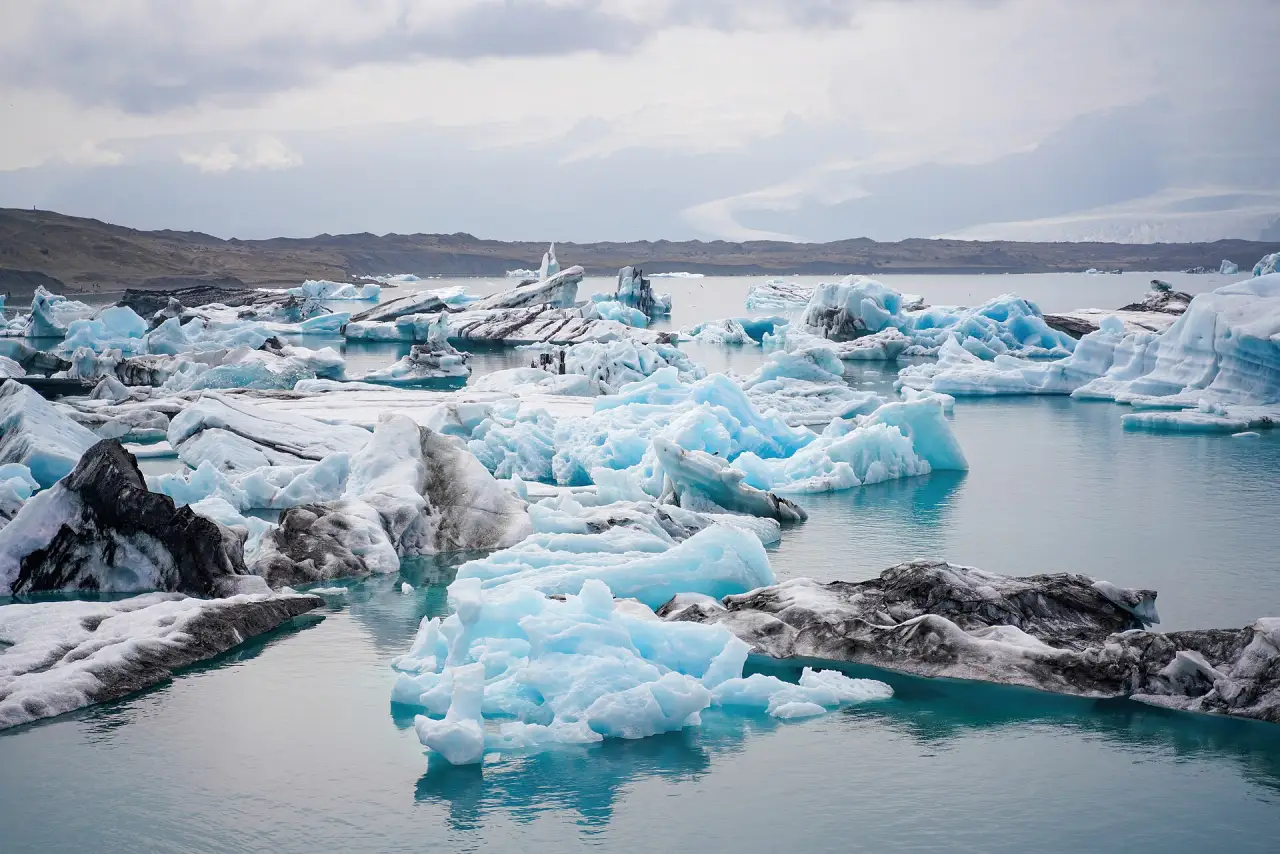
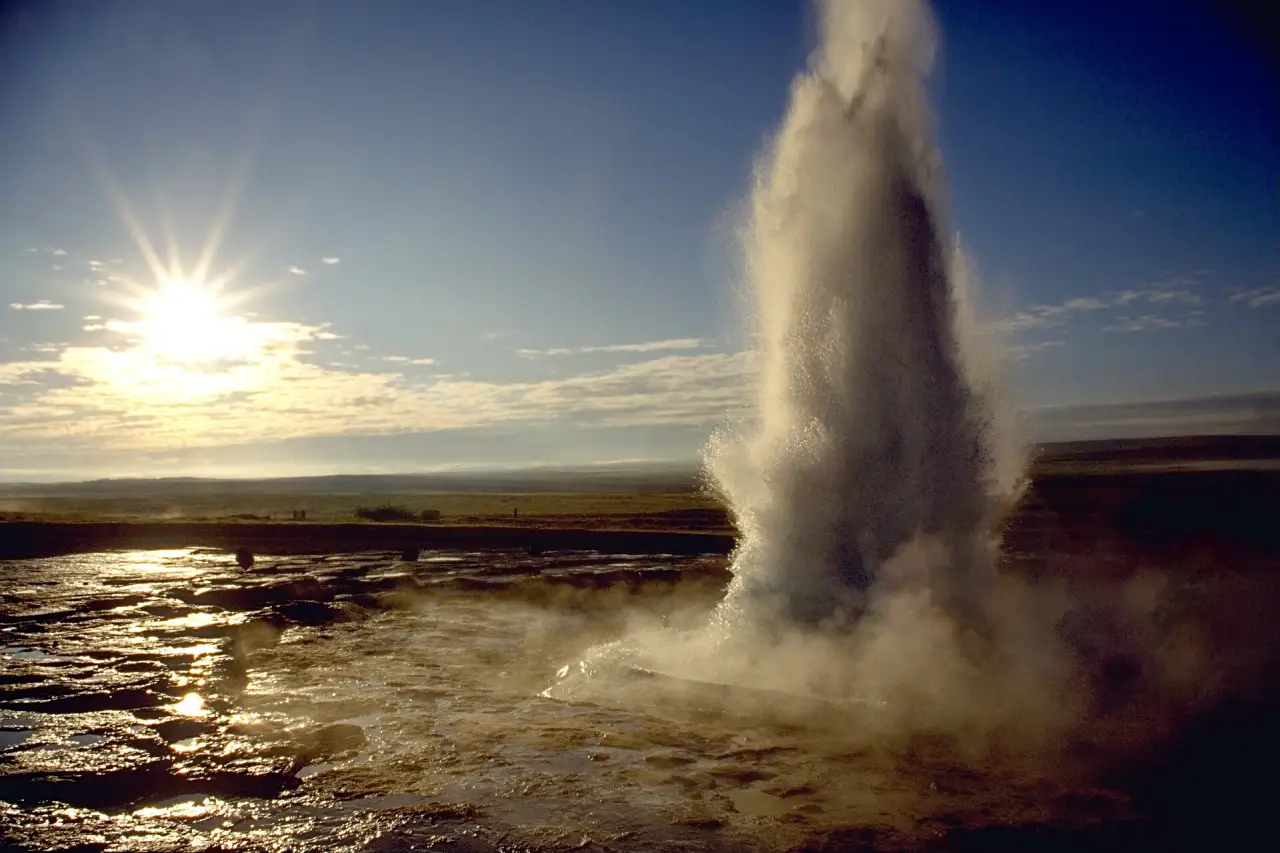
Most trips start with Reykjavík and the Golden Circle: the rift valley of Þingvellir, where you can stand between two continental plates, the Strokkur geyser that erupts every few minutes, and the two-tiered Gullfoss waterfall. Longer journeys continue along the South Coast past Seljalandsfoss and Skógafoss to the black sand of Reynisfjara, a guided glacier walk and, in winter, the blue ice caves of Vatnajökull, ending at the iceberg lagoon of Jökulsárlón.
Must-see
- Þingvellir, Geysir and Gullfoss on the Golden Circle
- Seljalandsfoss and Skógafoss
- Reynisfjara black-sand beach
- Jökulsárlón and Diamond Beach
- The Blue Lagoon
Food to try
- Icelandic lamb soup (kjötsúpa)
- Fresh Arctic char and cod
- Skyr
- Rye bread baked in hot springs
- Hot dogs from Bæjarins Beztu, Reykjavík
Where to shop
- Laugavegur, Reykjavík
- Hand-knitted lopapeysa wool sweaters
- Icelandic design shops on Skólavörðustígur
- Local salts and liquorice
- Duty-free at Keflavík on departure
Where to Stay
Areas and styles of stay we book most often. We shortlist specific hotels once we know your dates and budget.
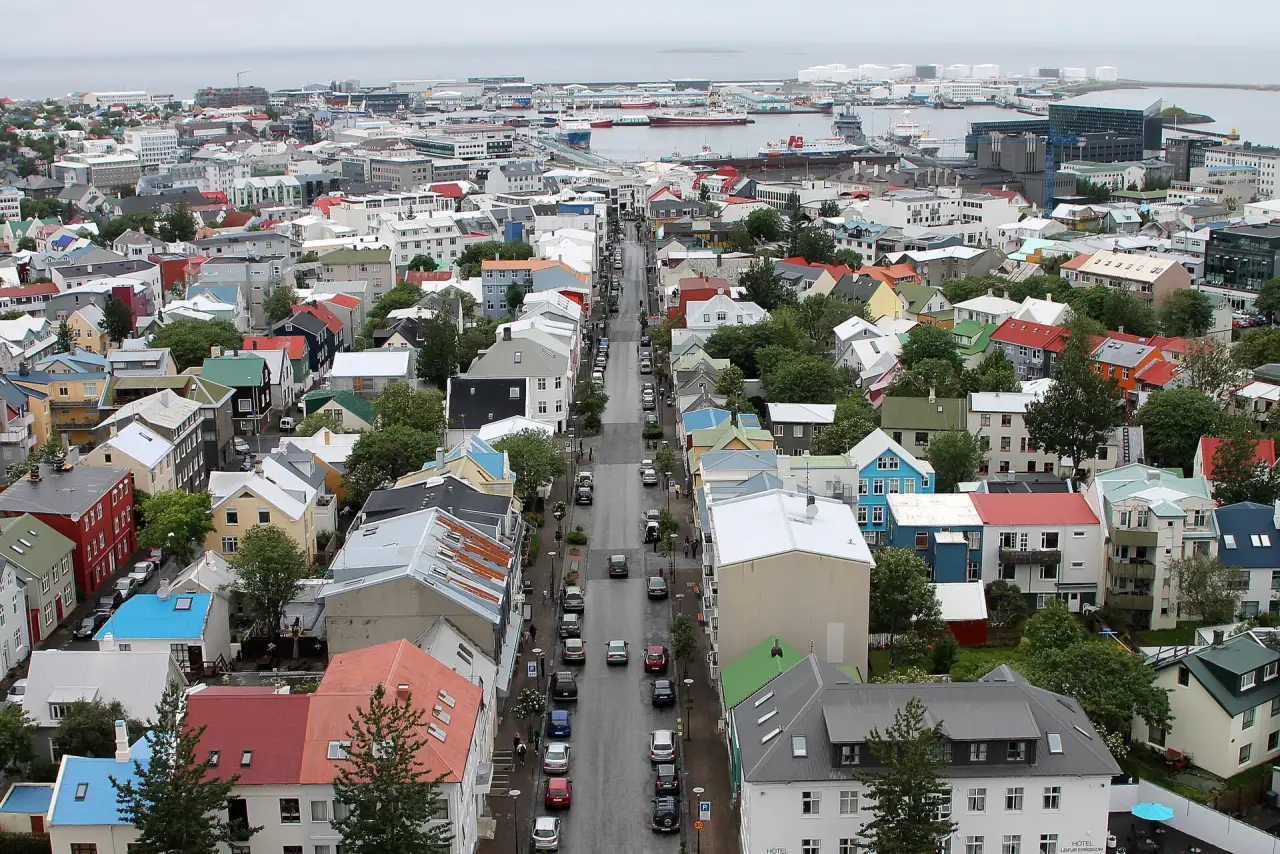
Reykjavík
Design hotels in the city centre
Hotels near Laugavegur and the harbour, walking distance from the restaurants, Hallgrímskirkja and the Harpa concert hall. A good base for the first and last nights.
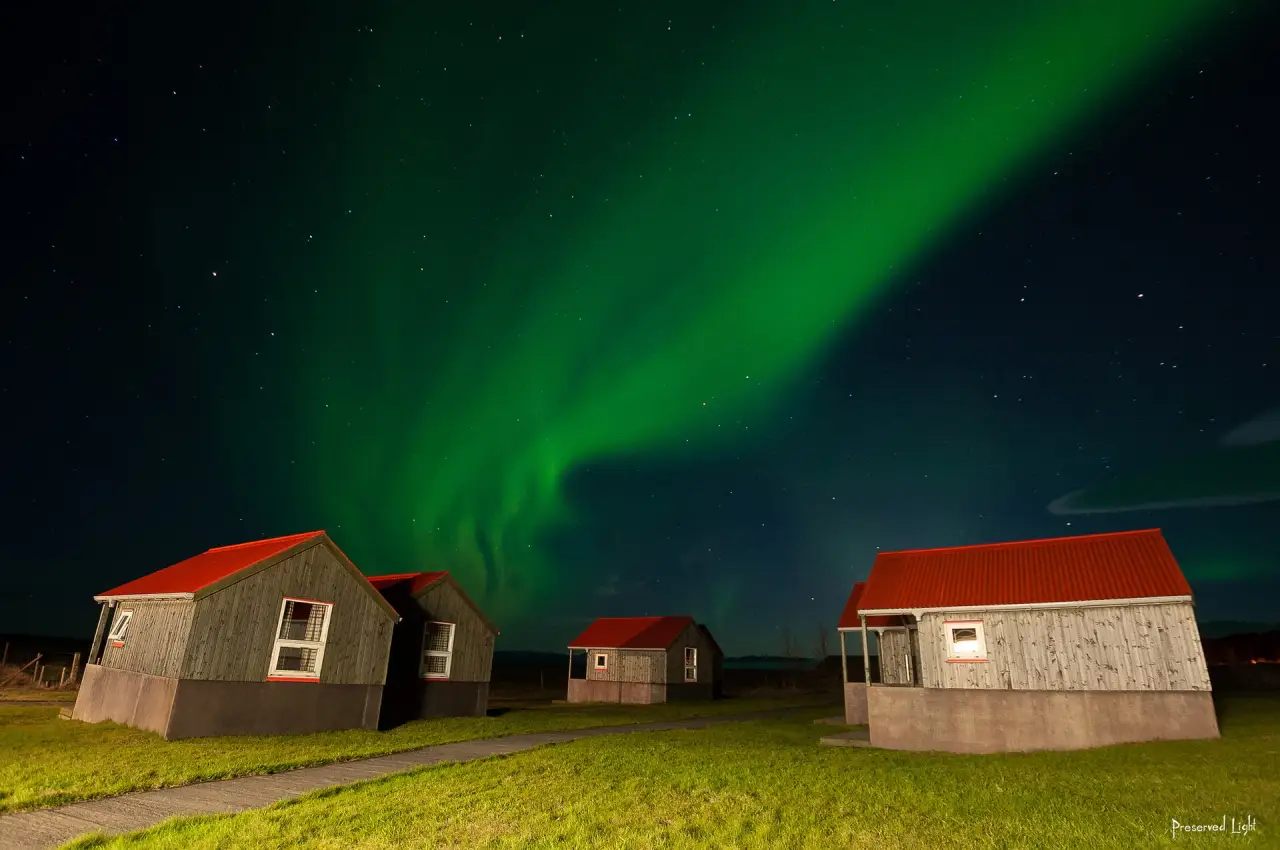
Countryside, Golden Circle and South Coast
Lodges for watching the aurora
Hotels and lodges away from city light, many with hot tubs, glass-roofed rooms or aurora wake-up calls, so you can watch from the door when the lights appear.
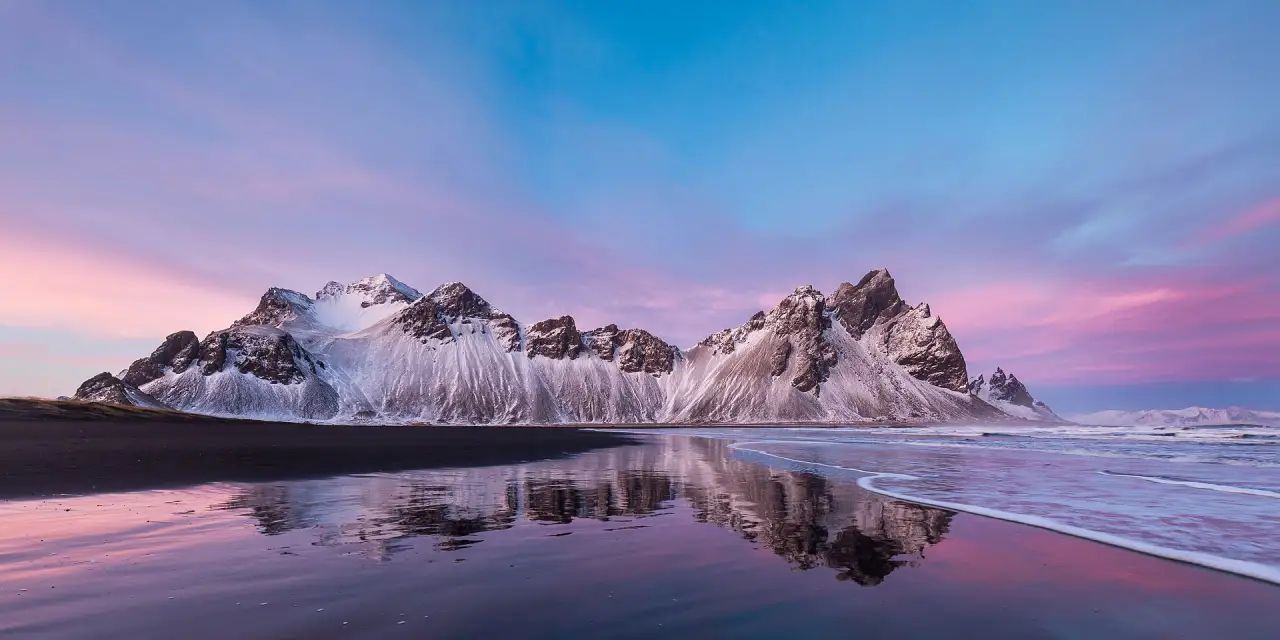
South-east, near Vatnajökull
Glacier-side hotels
Hotels between Skaftafell and Höfn, close to the glacier lagoon, the ice caves and the jagged peaks of Vestrahorn.
Signature Experiences
Moments we build Iceland journeys around
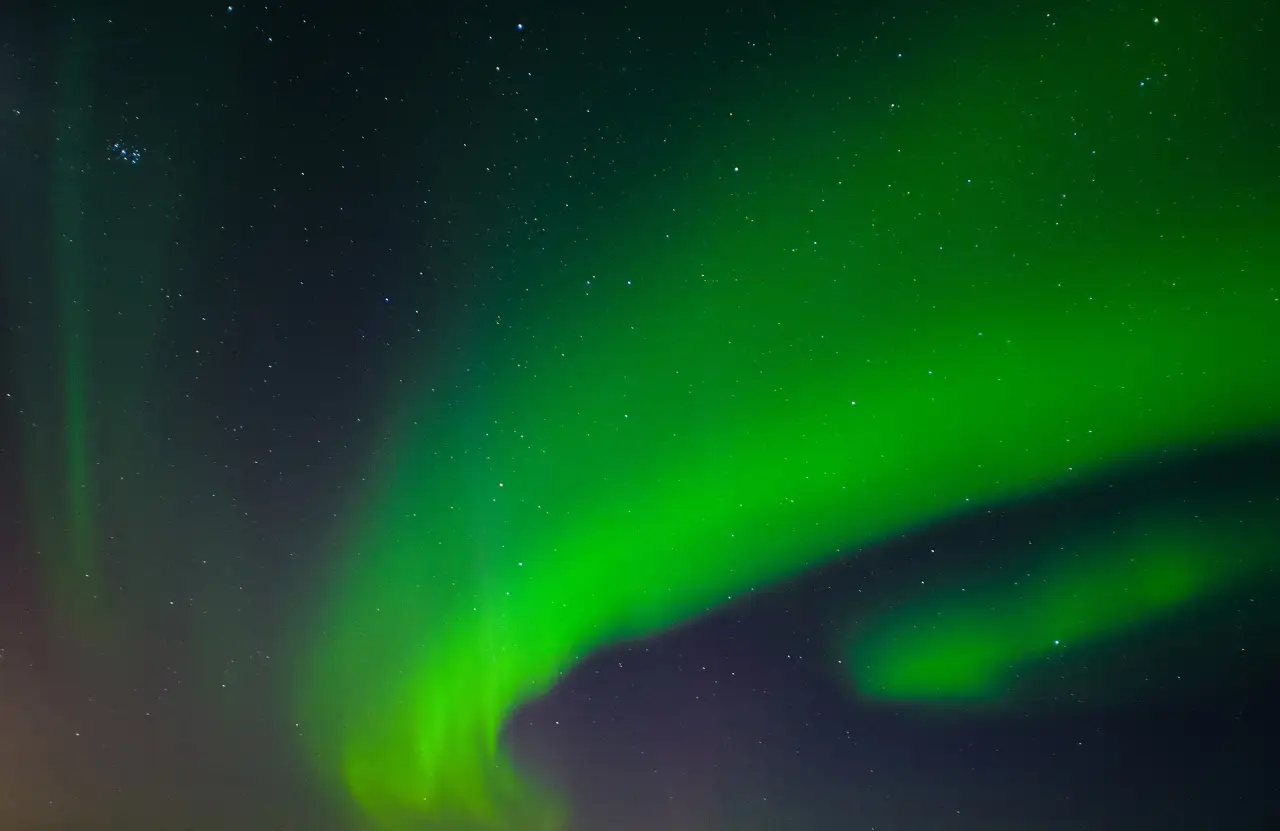
Northern lights at Þingvellir
A guided night drive to dark-sky spots chosen on the evening's cloud and aurora forecast, with hot chocolate and photography tips. If the lights do not show, most operators rebook you for free.
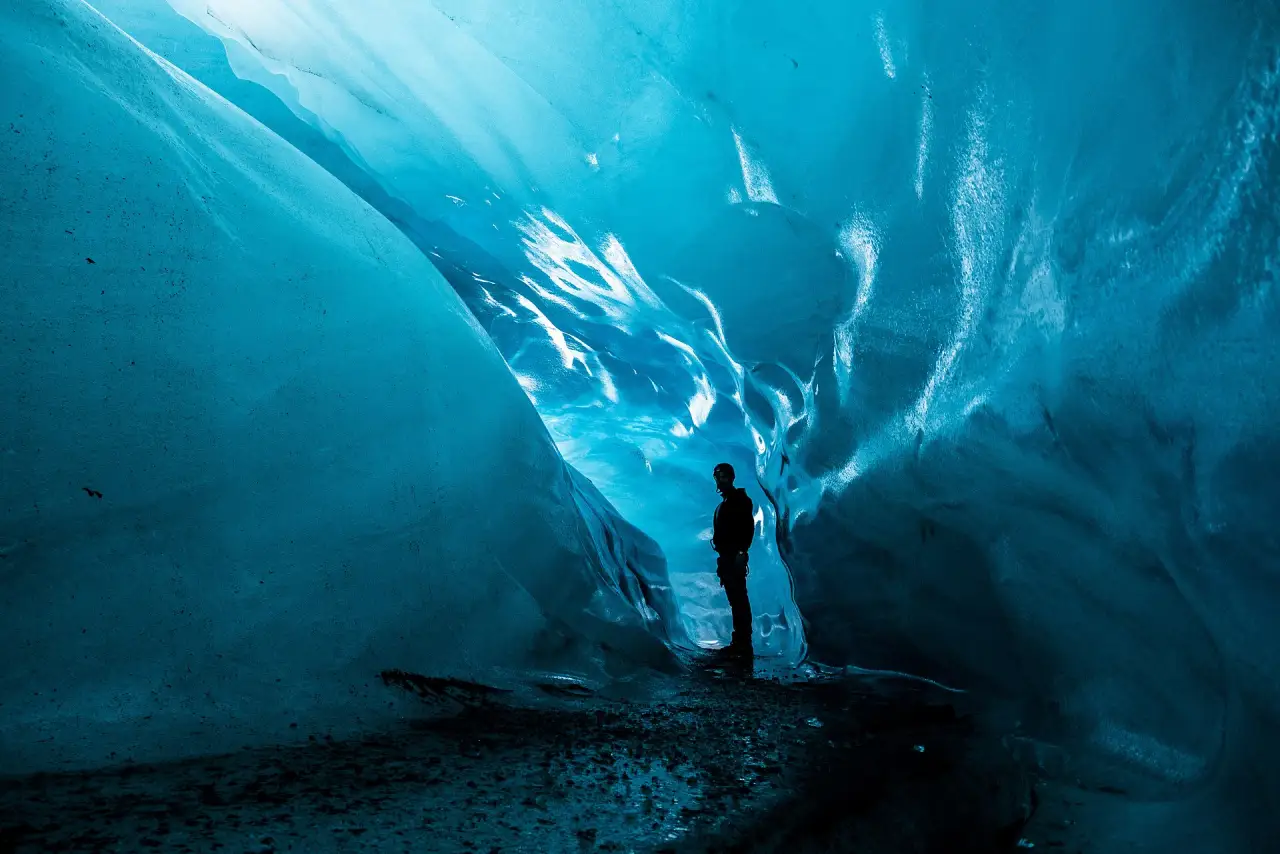
Blue ice caves of Vatnajökull
From about November to March, a specialist guide takes you by super-jeep into natural caves inside Europe's largest glacier. Each season's caves are different.
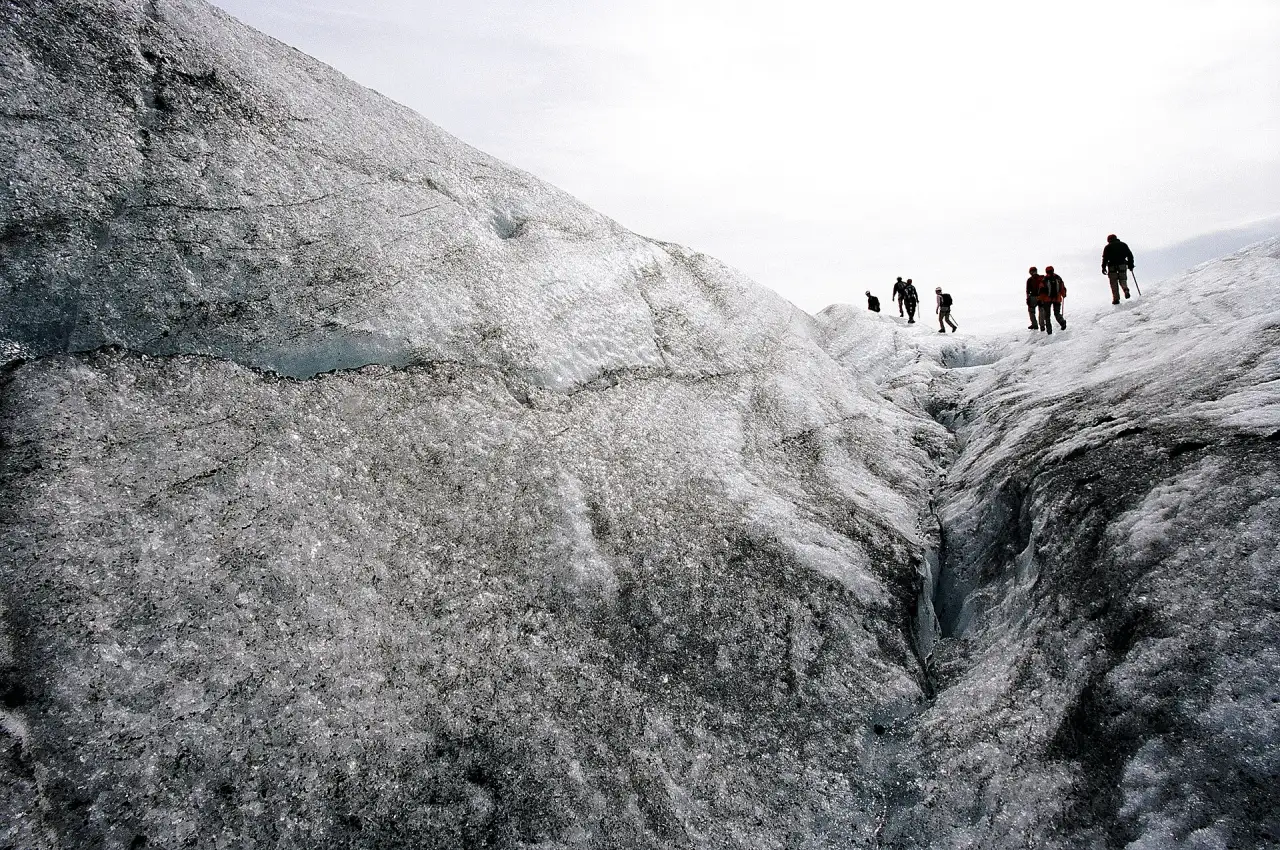
Glacier walk on Sólheimajökull
Crampons, an ice axe and a guide for a two- to three-hour walk on a glacier tongue near Skógafoss. Suitable for most fit travellers aged ten and over.
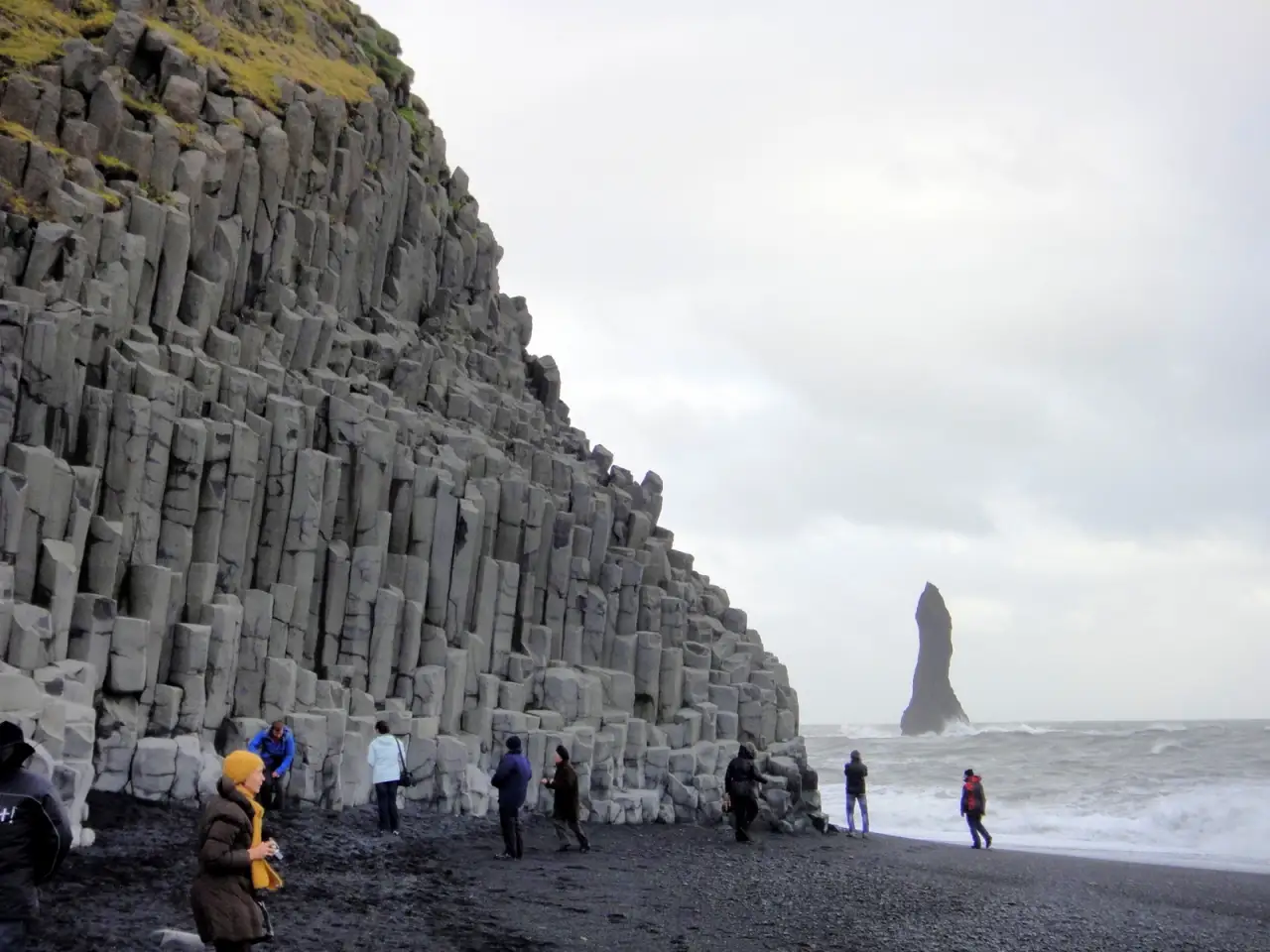
Reynisfjara black-sand beach
Basalt columns, sea stacks and black sand near Vík. The waves here are dangerous; stay well back from the water, as your guide will remind you.
Diamond Beach
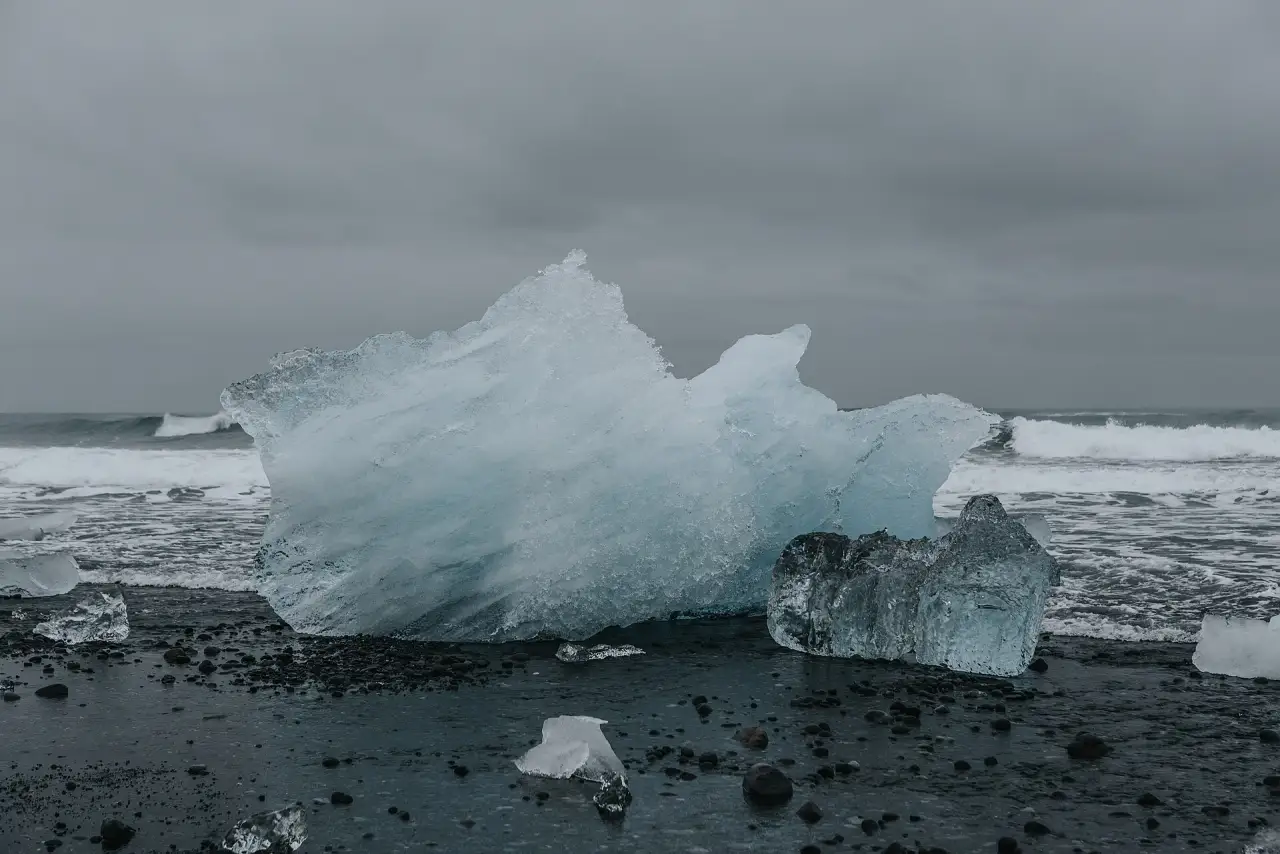
Across the road from Jökulsárlón, chunks of glacier ice wash up on the black sand and glitter in the low winter sun.
The Blue Lagoon
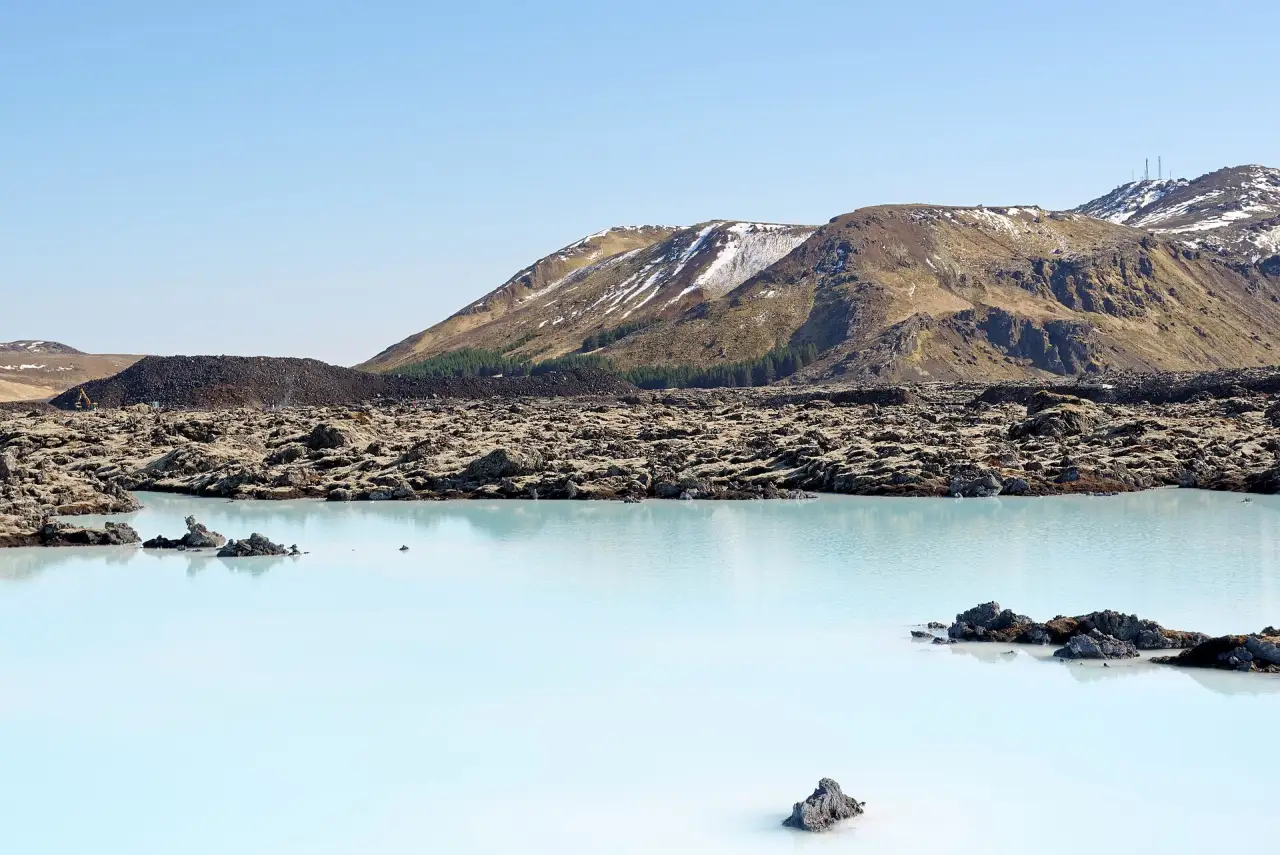
Milky-blue geothermal water in a lava field, 20 minutes from Keflavík airport. Book a timed slot for your last afternoon before the flight home.
Planning Your Journey
Timing, routing and what our specialists tell every Iceland traveller
When to visit
September to November
Aurora season begins, autumn colours, milder weather and roads still mostly open.
December to February
Long nights for the aurora, ice caves and snowy landscapes. Short days, so plan sightseeing around the light.
March to May
Aurora until about mid-April, lengthening days and fewer visitors. Puffins return from late April.
Getting there and around
Arrival
Keflavík International Airport is about 45 minutes from Reykjavík. Flights from India connect in Europe.
Getting around
A private driver-guide or small-group tours in winter; a self-drive in summer for experienced drivers.
Insider notes
Allow at least four nights for the aurora
Clouds are the biggest obstacle. The more nights you have outside the city, the better your chances.
Layers, not one big coat
Thermal base layers, a fleece, a windproof and waterproof shell, warm boots with grip, a hat and gloves. Wind makes it feel much colder than the thermometer says.
Leave winter driving to us
Snow, ice and sudden road closures are common. We use experienced drivers and guides from October to April.
Ice caves are seasonal
Natural ice caves are safe to enter only in the cold months, roughly November to March, and only with a certified guide.
Iceland: Common Questions
No one can guarantee them. Your chances are good with four or more nights between late September and March, dark skies outside the city and clear weather. Most aurora tours rebook you free if there is no sighting.
Plan your Iceland journey
Speak to a specialist.
Share a few details and one of our Iceland specialists will get in touch, usually within a working day.
Journeys from here
Itineraries that include Iceland
Journey · Nordic Adventure
Iceland Aurora Circle

Journey · Nature & Adventure
Iceland, Waterfalls & Highlands
Ready to plan Iceland?
Tell us your dates and who is travelling. We reply with a costed, day-by-day plan you can change as much as you like.