Safari · Kenya

Five safaris, each with a reason to go

Kenya is not one safari. These five ecosystems hold different animals, different landscapes and different seasons, and the camps in each are chosen for guiding rather than thread count. Pick one for a first trip, two for a fortnight.

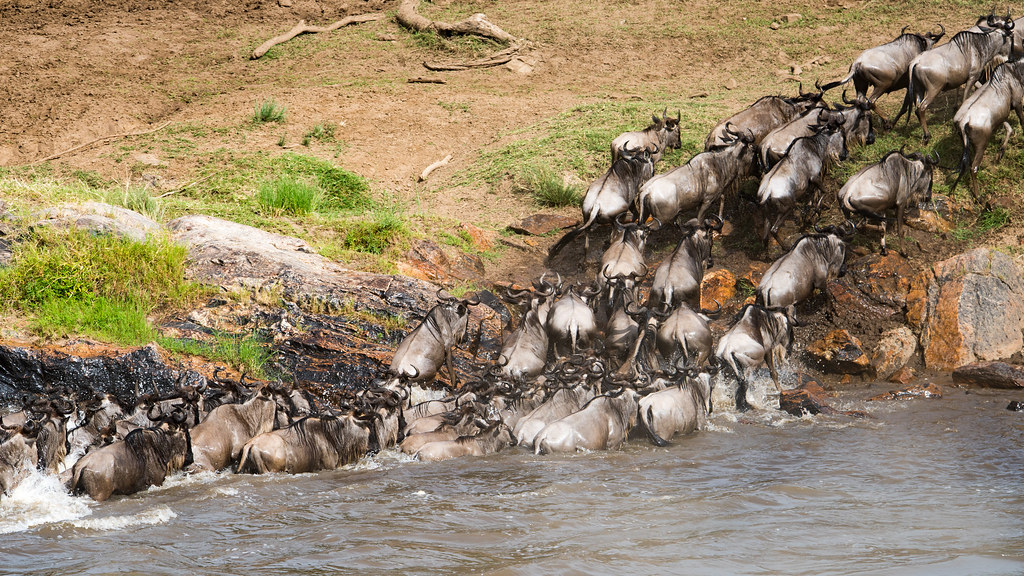
Wildebeest crossing the Mara river
Kenya safari
Kenya safari

01 · Narok County, south-west Kenya

Maasai Mara Conservancies

The Mara ecosystem is the northern extension of the Serengeti, and the conservancies bordering the national reserve — Mara North, Naboisho, Olare Motorogi, Ol Kinyei — are private land leased from Maasai landowners. Vehicle numbers are capped, off-road driving and night drives are permitted, and the predator density in Naboisho is among the highest recorded anywhere in Africa. The trade-off against the reserve itself is fewer crowds at the same sightings.

Wildlife

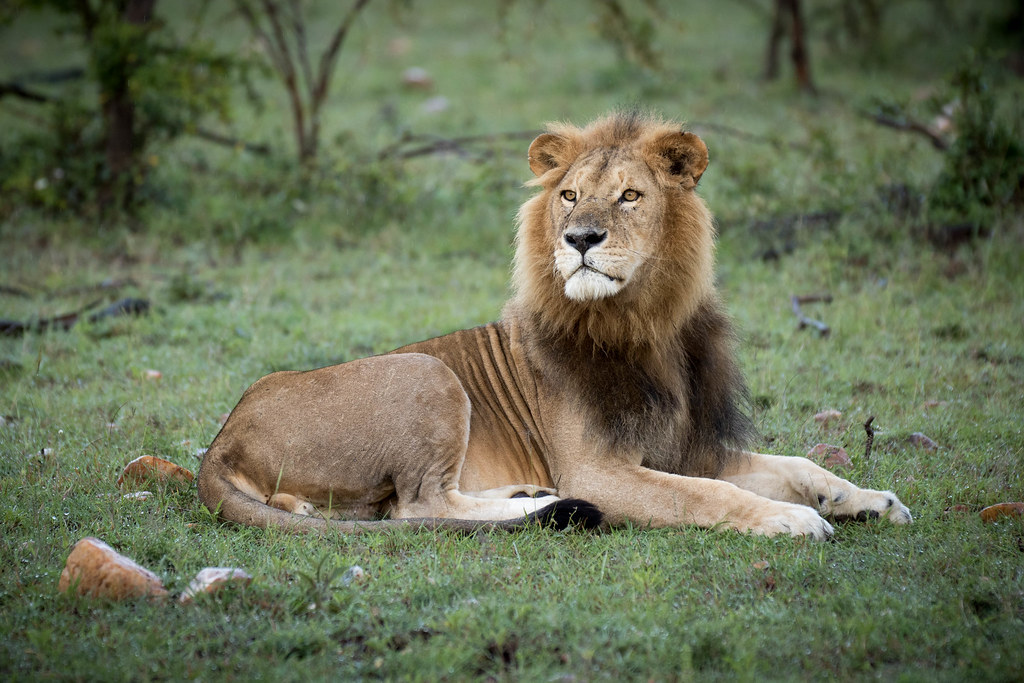
Lion, leopard, cheetah, elephant, buffalo, black rhino, and the wildebeest migration in season.

Best time

July to October for the migration river crossings; January to March for calving and clear skies.

Highlights

  • Mara North Conservancy. 74,000 acres bordering the reserve, with the Leopard Gorge escarpment and resident lion prides. Twelve camps share the concession under a strict bed limit.
  • Naboisho Conservancy. Exceptional lion density, walking safaris with Maasai guides and some of the best cheetah viewing in Kenya, on open plains rather than thick bush.
  • Olare Motorogi Conservancy. Roughly one tent per 700 acres — the lowest tourist density in the Mara — and reliable leopard along the Ntiakitiak river.
  • Mara River crossings. From roughly July to October the herds cross at Serena, Lookout Hill and Paradise Plain. Crossings are unpredictable; allow three or four game-drive days rather than one.
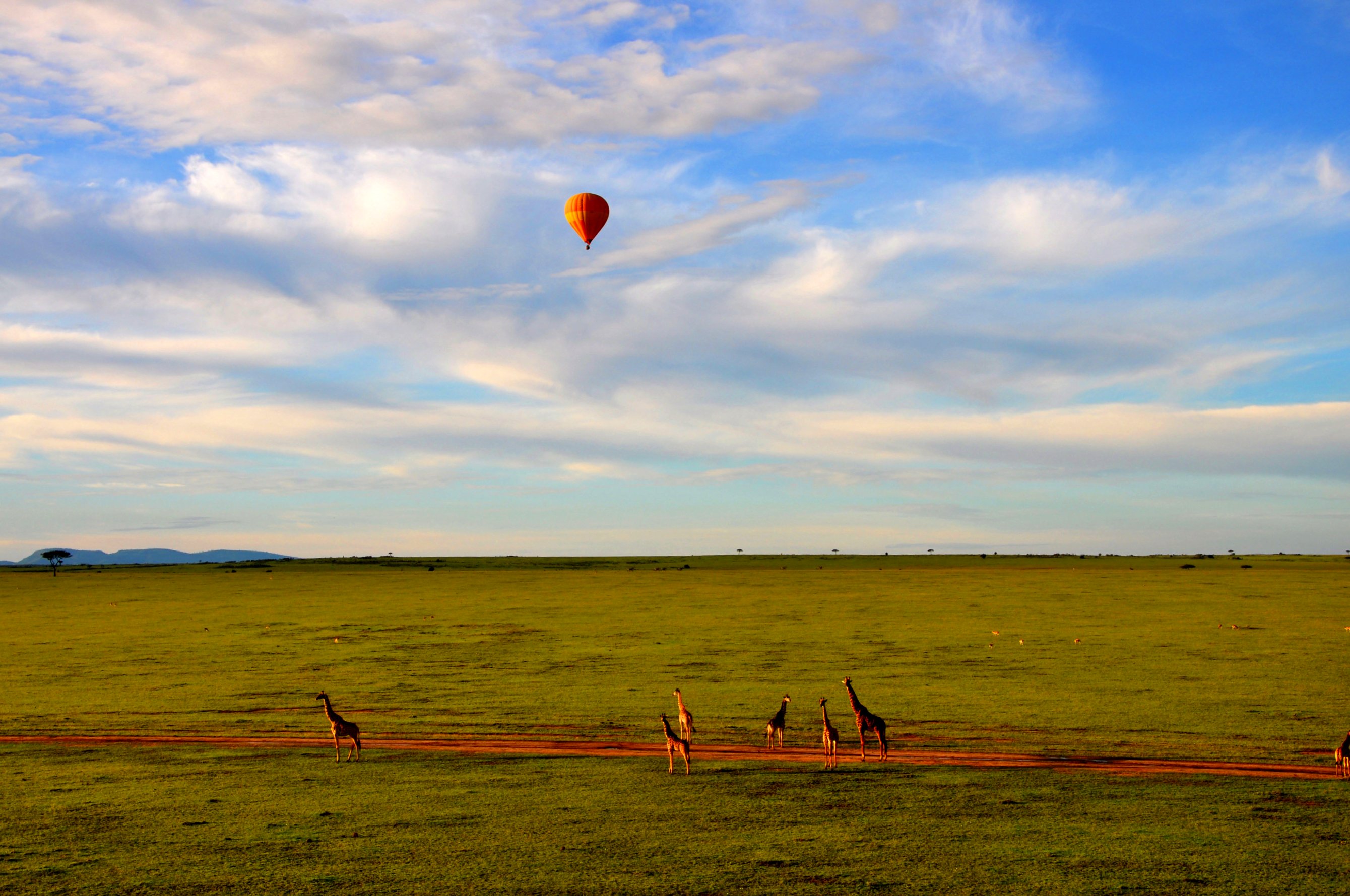
  • Balloon safari over the Mara. Dawn lift-off, an hour over the plains at herd level, and a bush breakfast on landing. Best in the dry months when the winds are stable.

Camps we use

  • Angama Mara
  • Mara Plains Camp
  • Kicheche Bush Camp
  • Encounter Mara
  • Saruni Basecamp

02 · Kajiado County, southern Kenya

Amboseli and Kilimanjaro

Amboseli is small — around 390 square kilometres — and its appeal is specific: big-tusked elephants photographed against Kilimanjaro, which rises across the border in Tanzania and dominates the southern horizon. The Amboseli Trust for Elephants has monitored individual families here since 1972, making it the longest-running elephant study in the world, and guides can often name the matriarchs you are watching.

Wildlife

The largest and most studied elephant population in East Africa, plus lion, cheetah, buffalo and over 400 bird species.

Best time

June to October and January to February, when the mountain is clearest at dawn and dusk.

Highlights

  • Elephant families on the swamps. Melting snow from Kilimanjaro feeds permanent swamps at Enkongo Narok and Longinye where herds feed chest-deep through the middle of the day.
  • Kilimanjaro at first light. The mountain is usually cloud-free only around sunrise and briefly at dusk. Plan the photographic drives for those two windows.
  • Observation Hill. The one place in the park you may leave the vehicle, with a 360-degree view across the swamps and the dry lake bed.
  • Maasai cultural visits. Community-run visits in the surrounding group ranches, arranged through the conservancies rather than roadside operators.
  • Chyulu Hills extension. Green volcanic hills an hour east, offering horse riding, lava-tube caves and a complete change of landscape.

Camps we use

  • Tortilis Camp
  • Ol Donyo Lodge
  • Angama Amboseli
  • Elewana Tortilis
  • Satao Elerai

03 · Central Kenya, north-west of Mount Kenya

Laikipia Plateau

Laikipia is a mosaic of private ranches and community conservancies covering around 9,500 square kilometres, and it holds roughly half of Kenya's black rhino population. Because the land is privately managed rather than gazetted as a national park, activities are far broader than game drives: walking, riding, camel trekking, night drives and rhino tracking on foot with armed rangers are all standard.

Wildlife

Black and white rhino, Grevy's zebra, reticulated giraffe, wild dog, elephant and the big cats.

Best time

Year-round; June to October and December to March are driest, and rhino tracking is best in the cool mornings.

Highlights

  • Ol Pejeta Conservancy. Home to the last two northern white rhinos on earth, Najin and Fatu, both under 24-hour protection, alongside a large black rhino population and a chimpanzee sanctuary.
  • Lewa Wildlife Conservancy. A UNESCO World Heritage Site, the birthplace of modern community conservancy models, and the best place in Kenya to see Grevy's zebra.
  • Borana Conservancy. Contiguous with Lewa since the fence between them came down in 2014, with horse riding and rhino tracking across open highland country.
  • Rhino tracking on foot. Tracked with rangers at walking pace, which is a fundamentally different experience from a vehicle sighting and briefed carefully before you set out.
  • Samburu and Maasai guiding. Laikipia's guides come from the communities that co-own the conservancies; the guiding standard here is among the highest in Africa.

Camps we use

  • Segera Retreat
  • Sirikoi
  • Borana Lodge
  • Ol Pejeta Bush Camp
  • Lewa Wilderness

04 · Samburu County, northern Kenya

Samburu and the Northern Frontier

North of the equator the landscape changes completely: arid scrub, doum palms and the Ewaso Ng'iro river cutting through it, with the Samburu, Buffalo Springs and Shaba reserves on either bank. The species here are largely different from the Mara's, which is why serious safari travellers pair the two. The Samburu people, pastoralists related to the Maasai, run several of the community conservancies that buffer the reserves.

Wildlife

The Samburu Special Five — reticulated giraffe, Grevy's zebra, beisa oryx, gerenuk and Somali ostrich — plus leopard and large elephant herds.

Best time

June to October and December to March. It is hot and dry year-round, and wildlife concentrates on the river.

Highlights

  • Samburu National Reserve. Dense riverine forest along the Ewaso Ng'iro that draws elephant, leopard and the arid-country specialists to the water through the heat of the day.
  • The Special Five. Five species found here and almost nowhere else on a Kenyan circuit, all achievable across two or three game drives.
  • Shaba National Reserve. Volcanic, springs-fed and far quieter than Samburu, with the Chanler's Falls and the country where Joy Adamson worked.
  • Sarara and the Namunyak Conservancy. Community-owned land in the Mathews Range, with the Reteti elephant orphanage — the first community-owned elephant sanctuary in Africa — nearby.
  • Singing wells. In the dry season, Samburu herders sing to their cattle as they draw water from hand-dug wells, one of the most striking cultural encounters in East Africa.

Camps we use

  • Sasaab
  • Saruni Samburu
  • Sarara Camp
  • Elephant Bedroom Camp
  • Joy's Camp

05 · Tsavo East and West, south-east Kenya

Tsavo and the Coast

Tsavo East and Tsavo West together cover around 22,000 square kilometres — roughly four per cent of Kenya's land area and one of the largest protected areas on earth. It is wilder, emptier and less manicured than the Mara, and its elephants are famous for the ochre colour they take on from dust-bathing in the red volcanic soil. Because it sits between Nairobi and the coast, it pairs naturally with a few nights on the Indian Ocean at Diani or Watamu.

Wildlife

Red-dust elephants, lion, leopard, buffalo, lesser kudu and over 500 bird species.

Best time

June to October and January to March. The green season after the short rains is best for photography and birds.

Highlights

  • Mzima Springs, Tsavo West. Fifty million gallons a day filtered through volcanic rock, with an underwater viewing chamber for hippo and crocodile.
  • Lugard Falls and the Galana river. Water-sculpted rock formations along the Galana in Tsavo East, and the long Yatta Plateau, one of the world's longest lava flows.
  • Red elephants of Tsavo East. Large herds coated in red dust, most reliably seen around the Voi river circuit and the Aruba dam.
  • Chyulu Hills and Shetani lava flow. Black lava fields and green hills on the Tsavo West boundary, with views to Kilimanjaro on clear mornings.
  • Coast extension. Diani, Watamu or Lamu are three to five hours on from the park gates, turning a safari into a classic bush-and-beach fortnight.

Camps we use

  • Finch Hattons
  • Campi ya Kanzi
  • Galdessa Camp
  • Severin Safari Camp
  • Kilaguni Serena

Reserve a safari

Tell us which one.

Name the safari and your travel window; a specialist will confirm camp availability, which fills 9-12 months ahead for the migration season.

By submitting you agree to our privacy policy. We never share your details.

Keep planning