Wildlife · Kenya
Big Five Safari in Kenya with a Private Guide
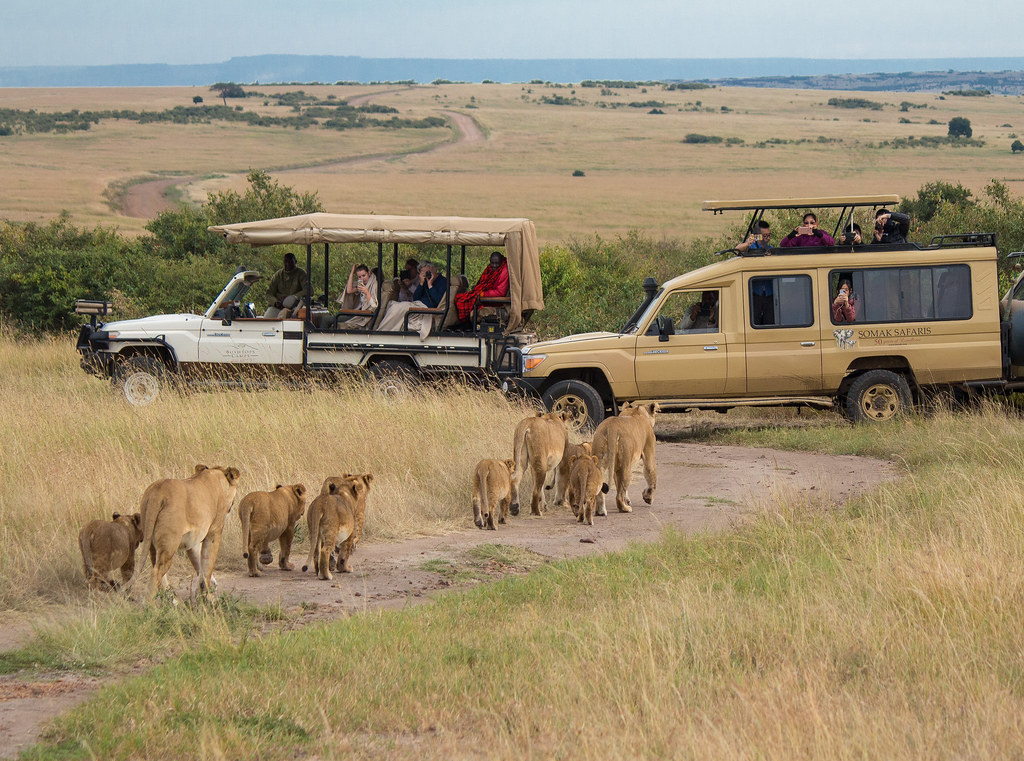
A private-guided Kenyan safari built around conservancies rather than the crowded national reserve, which means off-road tracking, night drives and walking safaris that are not permitted inside the Mara reserve itself. Your guide, vehicle and tracker stay with you for the whole trip, so sightings are followed properly rather than shared with twenty other vehicles.
- Maasai Mara
- Mara North
- Laikipia
- Amboseli
- Private conservancy
- Great Migration
Five conservancies and camps we place guests in
Each has a different specialism. We match the camp to what you most want to see, and to the season you are travelling.
- 01
Mara North Conservancy
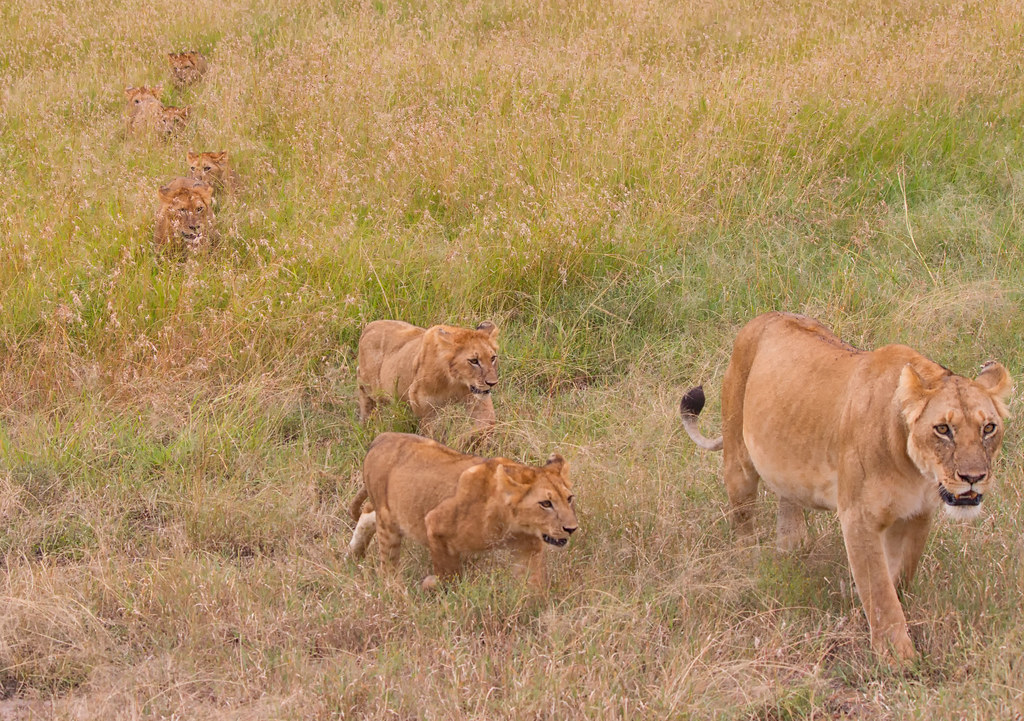
Big cat density equal to the reserve, with a strict vehicle limit at each sighting. Best for lion and leopard.
- 02
Olare Motorogi Conservancy
The lowest guest-to-hectare ratio in the Mara ecosystem and reliable cheetah on the open plains.
- 03
Naboisho Conservancy
Walking safaris with Maasai guides and one of Africa's largest resident lion prides.
- 04
Ol Pejeta, Laikipia
Black and white rhino, chimpanzee sanctuary and night drives — the strongest chance of completing the Big Five.
- 05
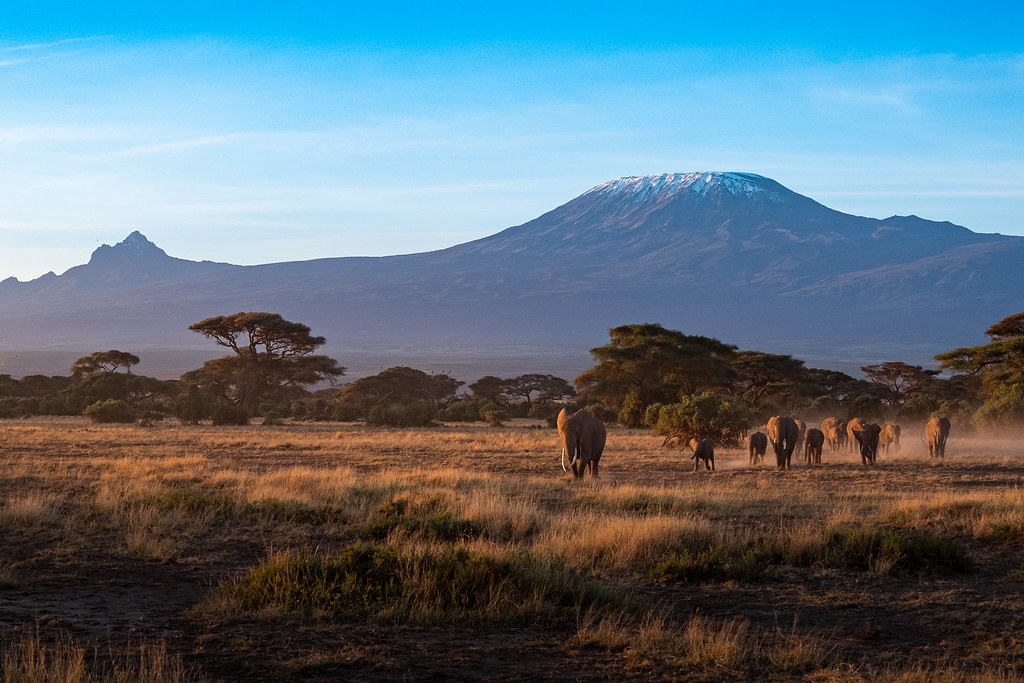
Amboseli National Park
The great tusker elephants beneath Kilimanjaro, and the classic photograph of the whole region.
What's included
- Private 4x4 Land Cruiser with roof hatch, guide and spotter
- Luxury tented camp or lodge on full board
- All game drives, plus night drives and bush walks where permitted
- Conservancy and park fees and community levies
- Bush breakfasts, sundowners and picnic lunches
- Light aircraft transfers from Nairobi Wilson to the airstrip
How it works
- 1
Fly in from Nairobi
A 45-minute light aircraft hop to the conservancy airstrip, met by your guide at the plane.
- 2
Dawn game drives
Out at first light with coffee, tracking from fresh overnight spoor until late morning.
- 3
Afternoon and night drives
Back out at four, sundowners on a ridge, then spotlit night drives in the conservancies.
- 4
Beyond the Mara
Add Amboseli, Laikipia or a Lamu coast finish; we arrange the internal flights.
When to go
July to October for the Great Migration river crossings, January to March for clear skies and newborn cubs. April, May and November are green-season months with lower rates and some rain.
Frequently asked questions
When is the Great Migration in the Maasai Mara?+
Herds are usually in the Mara from late July to October, with the Mara River crossings most frequent in August and September. Exact timing follows the rains and cannot be guaranteed.
Will we definitely see the Big Five?+
Lion, leopard, elephant and buffalo are very likely in the Mara conservancies. Rhino is not — add two nights at Ol Pejeta or Lewa in Laikipia for a realistic shot at all five.
Are children allowed on safari?+
Most conservancy camps accept children from six, and family tents from twelve. Walking safaris have a minimum age of twelve to sixteen depending on the conservancy.
What vaccinations and medication do I need?+
Yellow fever certification if arriving from an endemic country, and antimalarials are recommended for all Kenyan safari areas. Confirm current advice with your doctor before travel.
How many nights do we need?+
Three nights in one conservancy is the practical minimum. Four to six nights across two areas gives a far better spread of wildlife and habitat.
Is there a luggage limit on the light aircraft?+
Fifteen kilograms per person in soft-sided bags on most Safarilink and AirKenya routes. We store your hard cases in Nairobi.
What is the vehicle like, and can I photograph from it?+
Open-sided or roof-hatch Land Cruisers with a row per guest, bean bags, charging points and a fridge. Serious photographers can request a dedicated photographic vehicle.
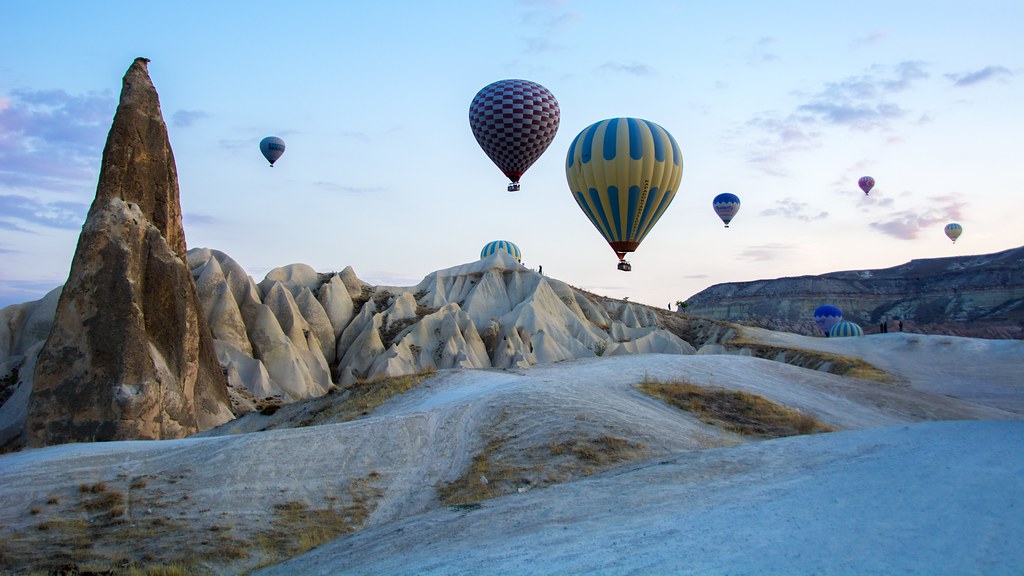
Can you arrange a balloon safari or Maasai village visit?+
Yes — dawn balloon flights over the Mara with a champagne breakfast, and community visits arranged through the conservancy rather than as a staged stop.
Reserve this experience
Let's set the date.
Share a few details, a specialist will confirm availability and pricing within one working day.