Australia · Oceania
Australia: a complete travel guide
A continent-sized country where the distances decide the itinerary. How to choose between the east coast, the red centre and the west, and when each is at its best.
- Sydney
- Uluru
- Great Barrier Reef
- Great Ocean Road
- Margaret River
Orientation
Australia is roughly the size of continental Europe with a population smaller than Tokyo's, and that single fact shapes every itinerary. Sydney to Cairns is a three-hour flight; Sydney to Perth is five, and crosses three time zones. First-time visitors who try to cover the east coast, Uluru and the reef in ten days spend most of them at airports.
The practical approach is to pick two regions and fly between them. A classic pairing is Sydney with Tropical North Queensland for the Great Barrier Reef and rainforest. A second is Sydney or Melbourne with Uluru and Kata Tjuta in the Northern Territory. A third, for repeat visitors, is Western Australia: Perth, Margaret River and the Ningaloo coast.
Twelve to fourteen nights is the comfortable minimum for two regions with time to slow down. Domestic flying is straightforward and frequent — Qantas, Virgin Australia and Jetstar connect every capital several times a day — and driving is easy, on the left, on good roads with long empty stretches.
When to go
Seasons are reversed from the northern hemisphere, and the country spans tropical, temperate and desert climates at once, so there is no single best month for all of it.
December to February (summer)
Hot and busy in the south — perfect for Sydney beaches and Tasmania, uncomfortable at Uluru where days exceed 40°C. The tropical north is in its wet season: humid, with afternoon storms, box jellyfish in the water and some reef operators on reduced schedules.
March to May (autumn)
Arguably the best all-round window. The Top End dries out, Sydney and Melbourne are warm without the crowds, the red centre cools to comfortable walking temperatures, and the Great Ocean Road is quiet.
June to August (winter)
Peak season in Tropical North Queensland: dry, clear, 25°C, the best reef visibility of the year. It is also whale season along both coasts. The south is cool and wet; the Victorian and NSW alps have a genuine ski season.
September to November (spring)
Wildflowers across Western Australia, mild days in the centre, warming water in the north before the humidity arrives. Good value before the December surge.
Where to base yourself
Five regions that each justify three to five nights. Combine two, not five.
- 01
Sydney, New South Wales
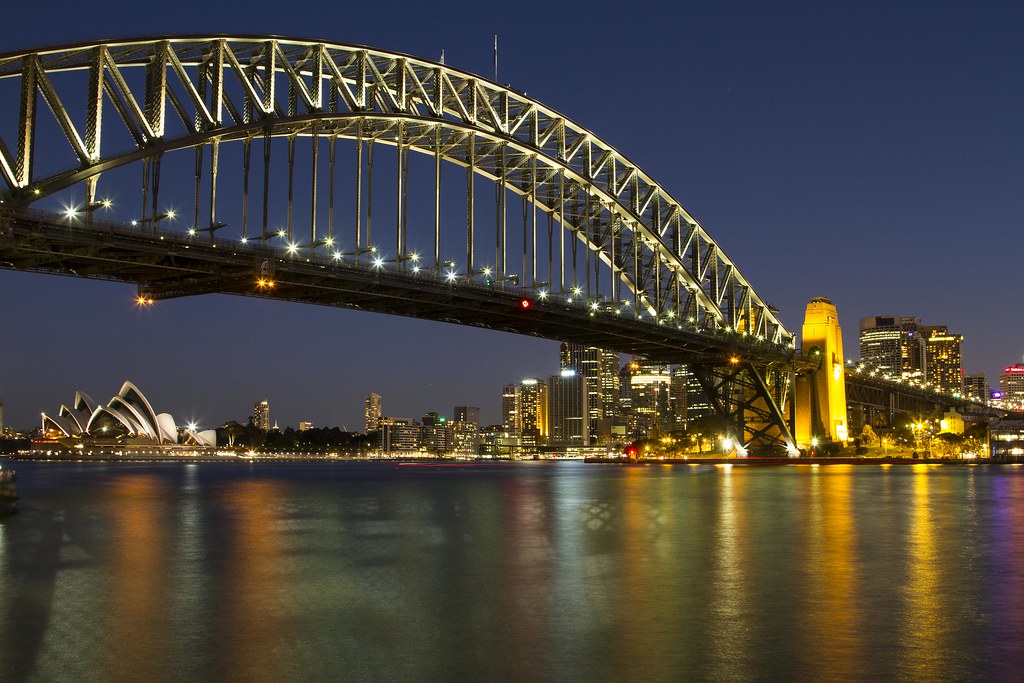
Harbour city with the Opera House, Bondi to Coogee coastal walk and the ferry network that doubles as sightseeing. Use it as an arrival base, then add the Blue Mountains or the Hunter Valley as a day or overnight trip.
- 02
Tropical North Queensland
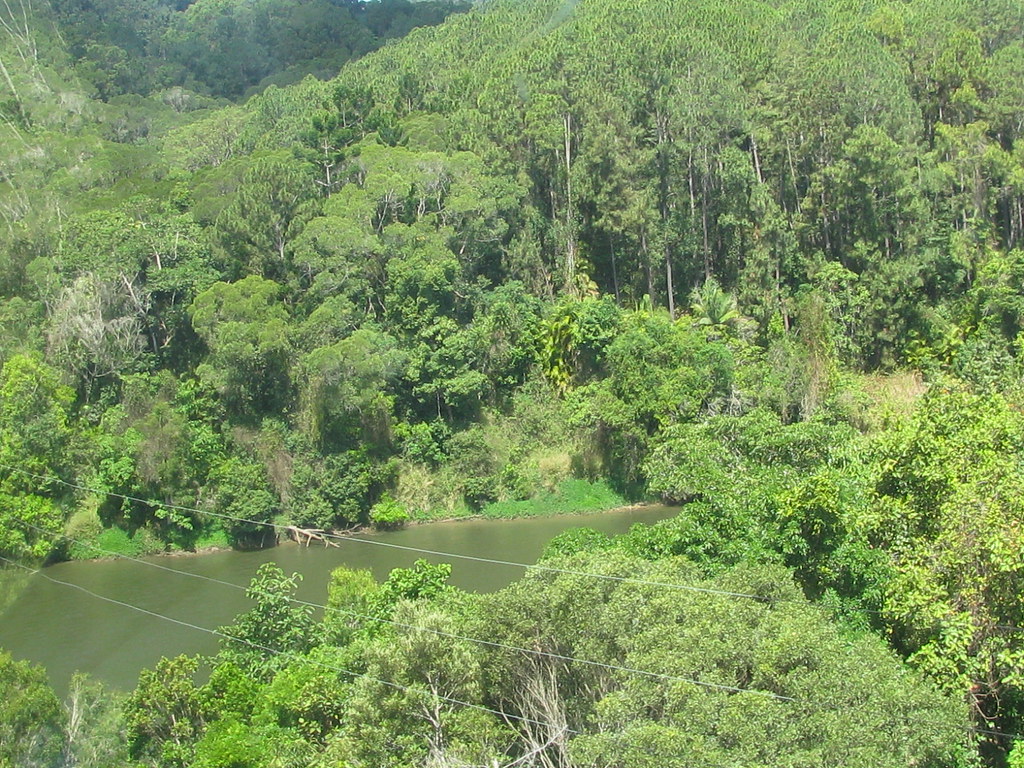
Cairns and Port Douglas open onto both the Great Barrier Reef and the Daintree, the oldest continuously surviving rainforest on earth. Outer-reef pontoons at Moore and Agincourt reefs give the best snorkelling for non-divers.
- 03
Uluru and Kata Tjuta, Northern Territory
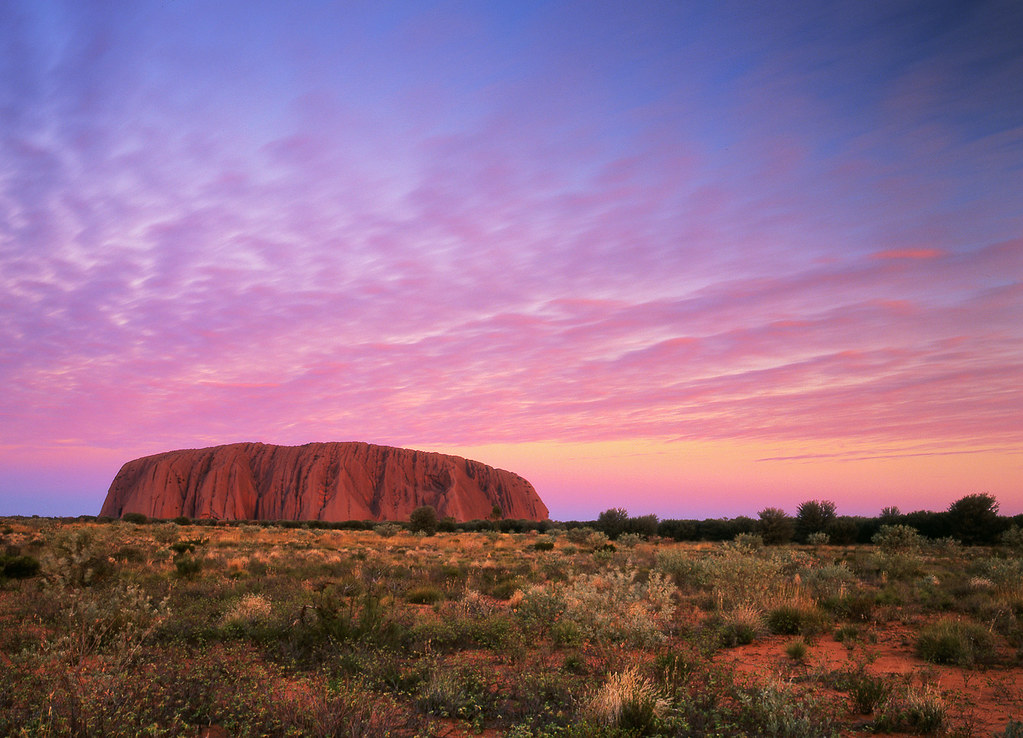
The cultural heart of the country, managed jointly with the Anangu traditional owners. Climbing Uluru has been prohibited since October 2019; the base walk, the Valley of the Winds at Kata Tjuta and sunrise from Talinguru Nyakunytjaku are the substitutes, and they are better.
- 04
Great Ocean Road, Victoria
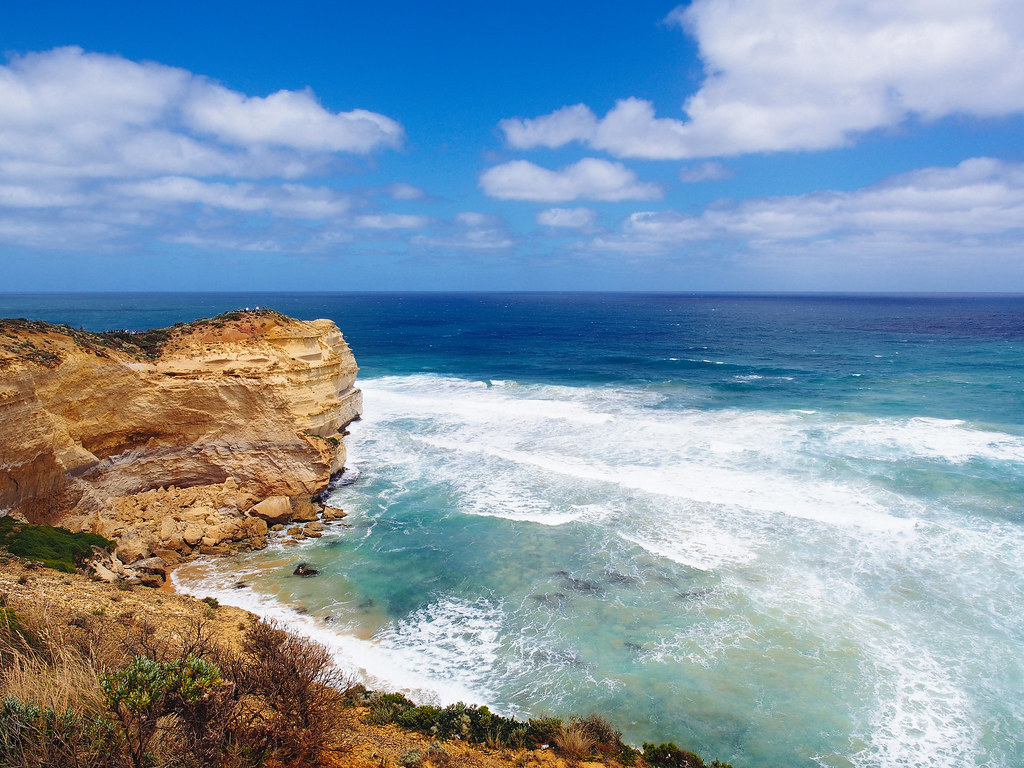
A 243 km coastal drive from Torquay to Allansford past the Twelve Apostles and Loch Ard Gorge. Two days beats one; stay in Lorne or Port Campbell so you reach the limestone stacks at first or last light.
- 05
Margaret River, Western Australia
Three hours south of Perth: 200-odd cellar doors, karri forest, surf breaks and limestone caves. Pair with Rottnest Island and Perth's Swan Valley for a self-contained western week.
What to eat and drink
Modern Australian seafood
Sydney rock oysters, Moreton Bay bugs, barramundi and mud crab. Sydney Fish Market and Melbourne's Queen Victoria Market are the easiest introductions.
Coffee culture
Melbourne's laneway cafés set the global standard for flat whites; order by the cup, not the syrup.
Wine regions
Barossa shiraz, Yarra Valley pinot and chardonnay, Margaret River cabernet, Tasmanian sparkling. Most cellar doors take walk-ins outside weekends.
Bush tucker
Native ingredients — finger lime, wattleseed, saltbush, Davidson plum — now appear on serious menus in Sydney, Melbourne and Alice Springs.
Practicalities
- Visa
- Indian passport holders need a visitor visa (subclass 600), applied for online through ImmiAccount; allow four to six weeks. Several other nationalities use the ETA or eVisitor.
- Currency
- Australian dollar (AUD). Cards are accepted almost everywhere; cash is rarely needed beyond small markets.
- Getting around
- Fly between regions, drive within them. Driving is on the left; an International Driving Permit alongside your licence is accepted. Distances between fuel stops in the outback can exceed 200 km.
- Tipping
- Not expected. Rounding up or 10% for exceptional restaurant service is a courtesy, not an obligation.
- Health and safety
- Sun is the real hazard — UV index frequently hits extreme. Swim between the red and yellow flags on patrolled beaches. In the tropical north, stinger suits are standard from November to May.
- What to pack
- Layers for the centre (cold desert nights), reef-safe sunscreen, a wide-brim hat, walking shoes for the Uluru base walk, and a light rain shell for Queensland.
Frequently asked questions
How many days do I need in Australia?+
Twelve to fourteen nights for two regions at a sensible pace. Anything under ten nights should be a single region — Sydney and surrounds, or Queensland alone.
Can I see Sydney, Uluru and the Great Barrier Reef in one trip?+
Yes, but it needs at least 14 nights and three internal flights. If you only have ten, drop one. Most travellers keep Sydney and the reef, and save Uluru for a second visit.
When is the Great Barrier Reef at its best?+
June to October. Water clarity is highest, the seas are calmest, stingers are absent and the weather is dry. Coral spawning happens in late spring, usually November, after the full moon.
Is it safe to swim?+
On patrolled beaches, between the flags, yes. In northern Queensland, marine stingers make the ocean unsafe for swimming without a suit from roughly November to May; reef operators supply them.
Can you climb Uluru?+
No. The climb closed permanently on 26 October 2019 at the request of the Anangu traditional owners. The 10.6 km base walk and guided cultural walks with Anangu guides are the way to experience it.
Do I need a car?+
For the Great Ocean Road, Margaret River and the Daintree, yes — or a private driver. For Sydney and Melbourne, no; public transport is good and parking is expensive.
How much internal flying is involved?+
Expect two to four domestic flights on a two-region trip. Book them as part of the itinerary rather than separately, so a delay does not strand a reef day.
Is Australia suitable for children?+
Very. Reef pontoons, wildlife parks, the Kuranda railway and city beaches all work well for families. The long flights and long internal distances are the only real constraint.
Plan your Australia trip
Tell us your dates.
Share a few details and a specialist will shape an itinerary around the season you are travelling in.