Mauritius · Indian Ocean
Mauritius: a complete travel guide
An island you can drive across in two hours, with four distinct coasts, a volcanic interior and a Creole food culture that is reason enough to go.
- Le Morne
- Chamarel
- Blue Bay
- Black River Gorges
- Creole cuisine
Orientation
Mauritius sits about 900 km east of Madagascar, ringed almost entirely by coral reef, which is why the lagoons are calm and shallow and the water is the colour it is in photographs. The island is 65 km long and 45 km wide — you can cross it in two hours — but the four coasts have genuinely different weather, water and character.
The north around Grand Baie is the liveliest, with the most restaurants and boat departures. The west, from Flic en Flac to Le Morne, gets the driest weather and the best sunsets, and is where kitesurfers and big-game fishing boats base themselves. The east is the windward side: cooler, greener, quieter, and home to several of the largest resorts. The south around Blue Bay and Souillac is the wildest, with cliffs rather than beaches in places.
Seven nights is the standard stay and it works well. Ten nights allows for splitting between two coasts, which most people find more interesting than one base. The interior — Chamarel, Black River Gorges, Grand Bassin — deserves at least two full days and is where the island stops being a beach holiday.
When to go
Mauritius is tropical with two seasons rather than four. It is a year-round destination; the question is what you want to do.
May to November (winter, dry)
Cooler, 18-24°C, low humidity and little rain. The best months for walking in Black River Gorges, for diving visibility in the north and for kitesurfing at Le Morne, where the trade winds are reliable from June to September.
December to April (summer, wet)
Hot and humid, 25-33°C, with short heavy downpours rather than all-day rain. The sea is at its warmest. This is also the cyclone window, with the highest risk in January and February.
September to December
The sweet spot for many travellers: warm water, low rainfall, flowering flamboyant trees from November and fewer crowds than the European winter peak.
Peak periods
The island fills over Christmas and New Year, and again during the European summer holidays in July and August. Book the better resorts six months out for those windows.
Where to go on the island
Beaches are the obvious draw; the interior is what people remember.
- 01
Le Morne Brabant, south-west
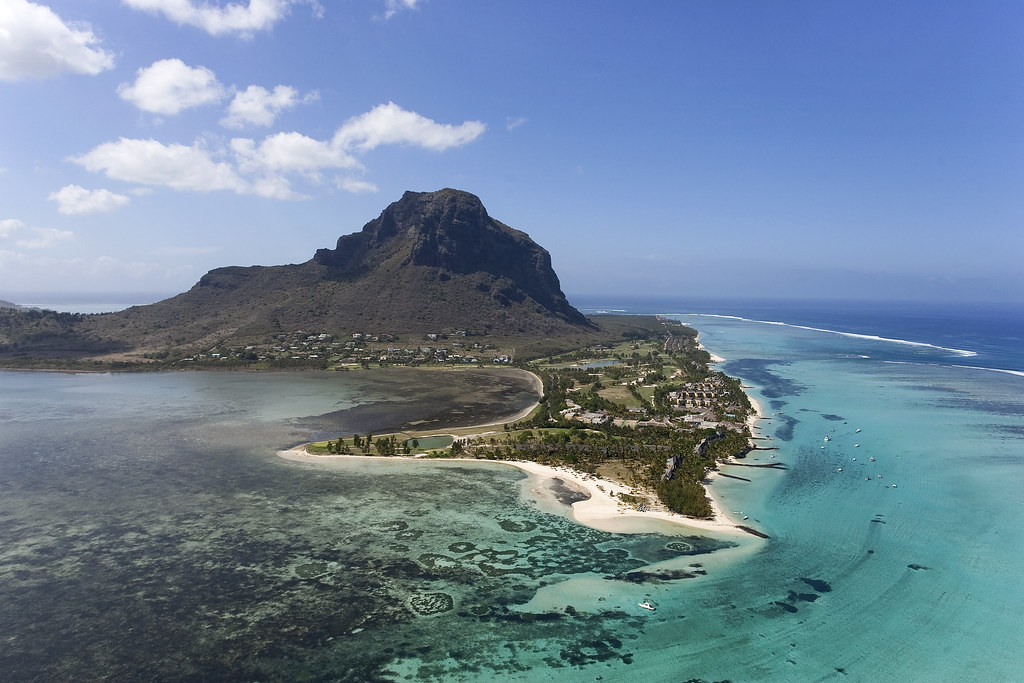
The basalt monolith on the south-western tip, a UNESCO World Heritage Site for its history as a refuge for escaped slaves. The hike to the summit takes three to four hours return with a guide for the upper section; the lagoon below is the island's kitesurfing centre.
- 02
Chamarel
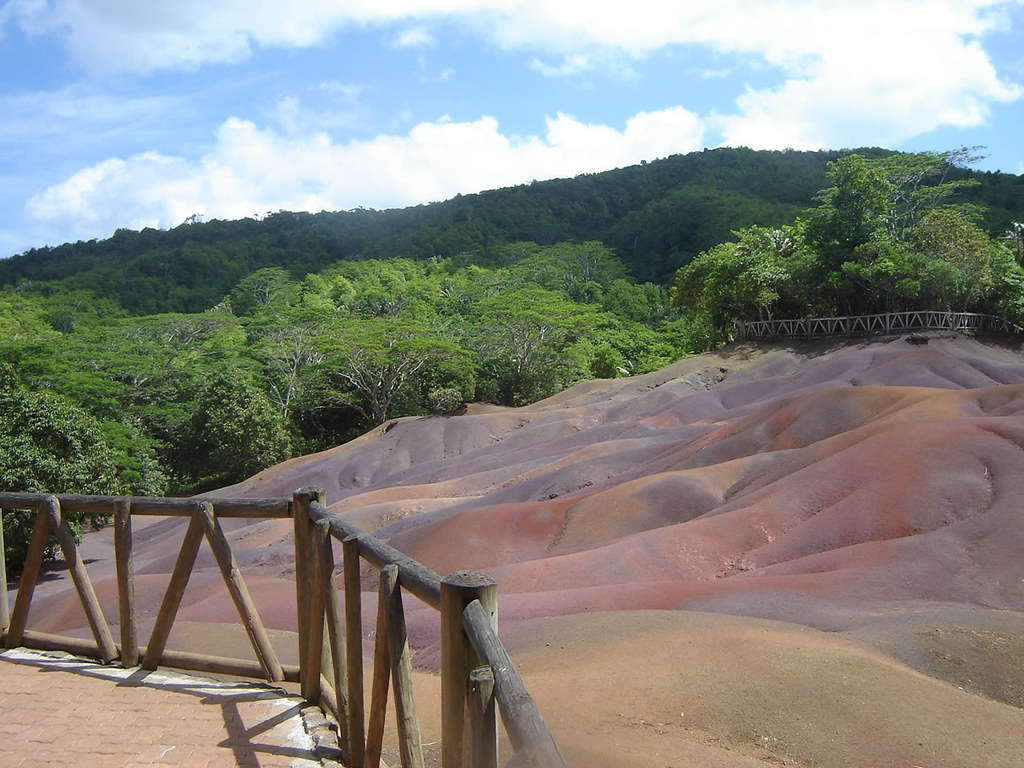
The Seven Coloured Earth — dunes of volcanic ash in ochre, violet and red that never erode into one another — plus the 100 m Chamarel waterfall, the island's rum distilleries and its best inland restaurants.
- 03
Black River Gorges National Park
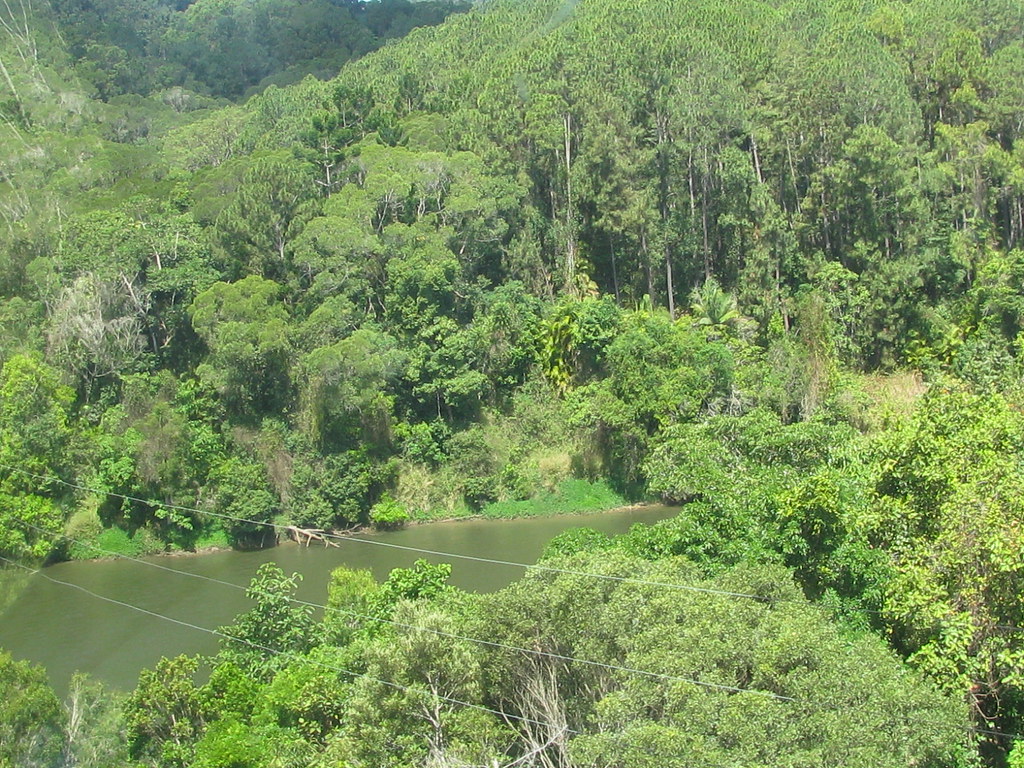
6,500 hectares of remnant native forest with marked trails, the Alexandra Falls and Gorges viewpoints, and the last populations of the Mauritius kestrel and pink pigeon, both brought back from near-extinction.
- 04
Blue Bay Marine Park, south-east
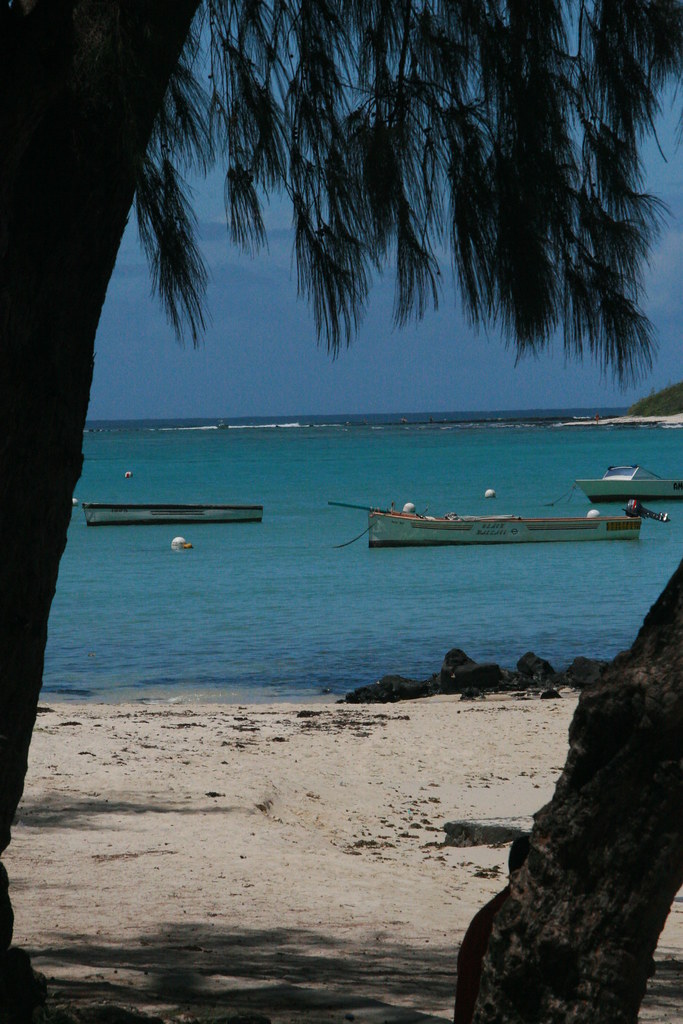
A protected lagoon with living coral close enough to the surface for snorkelling straight off a glass-bottom boat. Go early; the afternoon brings wind and boat traffic.
- 05
Grand Bassin and Port Louis
Grand Bassin, or Ganga Talao, is a crater lake and the island's most important Hindu pilgrimage site. Port Louis, the capital, holds the Central Market, the Aapravasi Ghat World Heritage Site and the Blue Penny Museum.
What to eat and drink
Street dholl puri
The national snack: two thin split-pea flatbreads wrapped around bean curry, rougaille and chilli. Eat it from a stall, not a hotel buffet.
Creole rougaille and vindaye
Tomato-based Creole stews and turmeric-and-mustard pickled fish, the clearest expression of the island's Indian, African, Chinese and French layers.
Seafood
Grilled dorado, octopus salad, palm-heart salad known as millionaire's salad, and smoked marlin.
Rum and tea
Agricultural rum at Rhumerie de Chamarel and St Aubin, and the Bois Chéri tea estate in the south for the island's tea route.
Practicalities
- Visa
- Indian, EU, UK and US passport holders need no visa for a holiday: stays of up to 90 days are granted on arrival with a return ticket, a hotel booking and proof of funds. Complete the free All-in-One Travel Form before you fly.
- Currency
- Mauritian rupee (MUR). Cards are widely accepted at resorts and restaurants; carry cash for markets, taxis and street food.
- Getting around
- Driving is on the left and roads are good, but rural signage is poor and hire cars are small. Many visitors use a private driver by the day, which costs less than in most destinations.
- Languages
- English is the official language, French is the language of business and media, Mauritian Creole is what you will hear on the street. English is understood everywhere tourists go.
- Tipping
- Not compulsory. 5-10% in restaurants, and a modest daily note for housekeeping and drivers, is normal.
- What to pack
- Reef shoes for the rocky southern and eastern shores, reef-safe sunscreen, a light rain layer in summer, and modest cover for Grand Bassin and other temples.
Frequently asked questions
How many nights do I need in Mauritius?+
Seven is standard and enough for one coast plus two interior days. Ten nights lets you split between two coasts, which gives a more complete picture of the island.
Which coast should I stay on?+
North for restaurants and nightlife, west for sunsets, dry weather and water sports, east for calm and space, south for scenery and fewer people. First-timers usually do best on the west.
When is the best time to visit?+
May to November for dry, comfortable weather and the best hiking and diving. September to December balances warm water with low rain. Avoid January and February if cyclone risk concerns you.
Is Mauritius good for families?+
Yes. The reef makes the lagoons shallow and calm, most resorts have kids' clubs, and drives between sights are short. Blue Bay and the north coast are the easiest with small children.
Can you swim everywhere?+
Most of the coast is protected by reef and safe, but the southern shore around Gris Gris has no reef, strong currents and no safe swimming. Follow local signage.
Do I need to hire a car?+
Not necessarily. A car gives freedom for the interior, but a private driver for two or three days covers Chamarel, Black River Gorges and Port Louis without the parking and navigation.
What should I not miss inland?+
Chamarel's coloured earth and waterfall, the Gorges viewpoint in Black River, Grand Bassin, and the tea route at Bois Chéri. Together they make two comfortable days.
Is it expensive?+
It ranges widely. Street food and local restaurants are inexpensive; the flagship resorts on the west and east coasts are firmly in the luxury bracket. Mixing the two is common and sensible.
Plan your Mauritius trip
Tell us your dates.
Share a few details and a specialist will shape an itinerary around the season you are travelling in.