Cultural · India
Private Tea Estate Tasting in Darjeeling
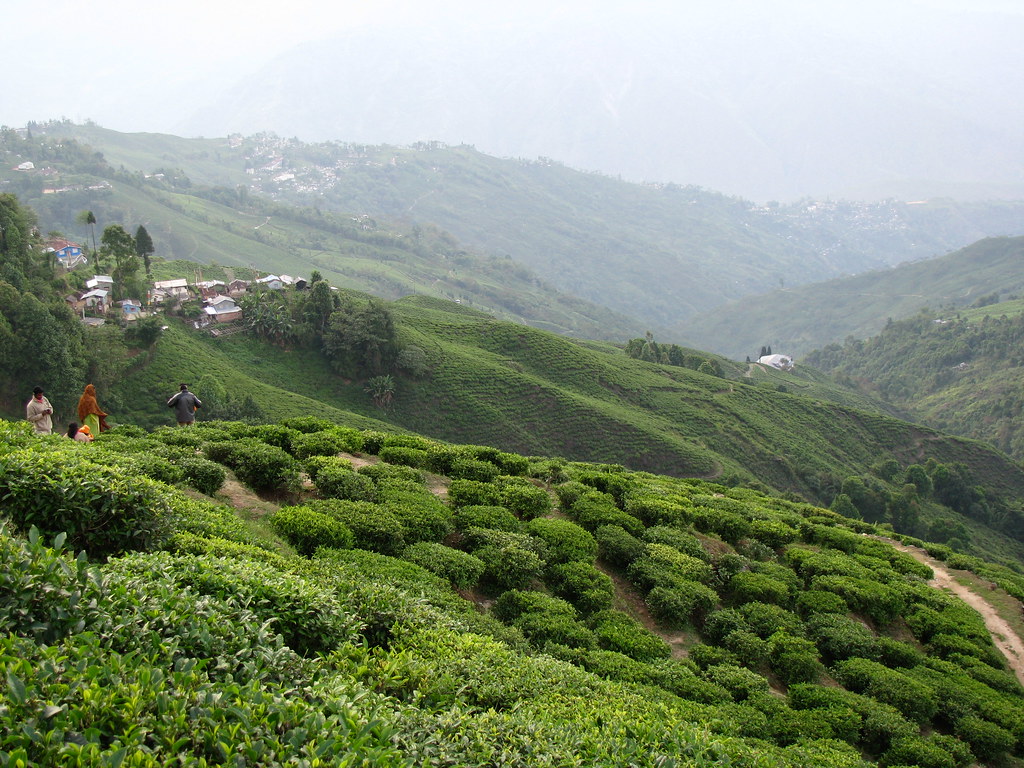
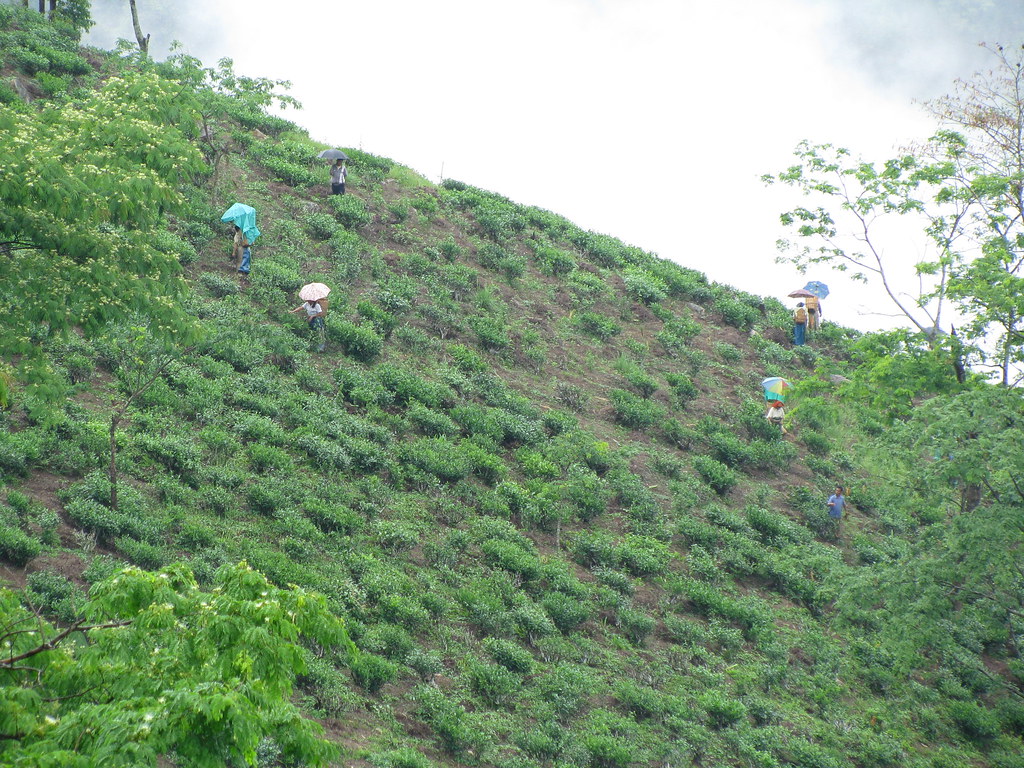
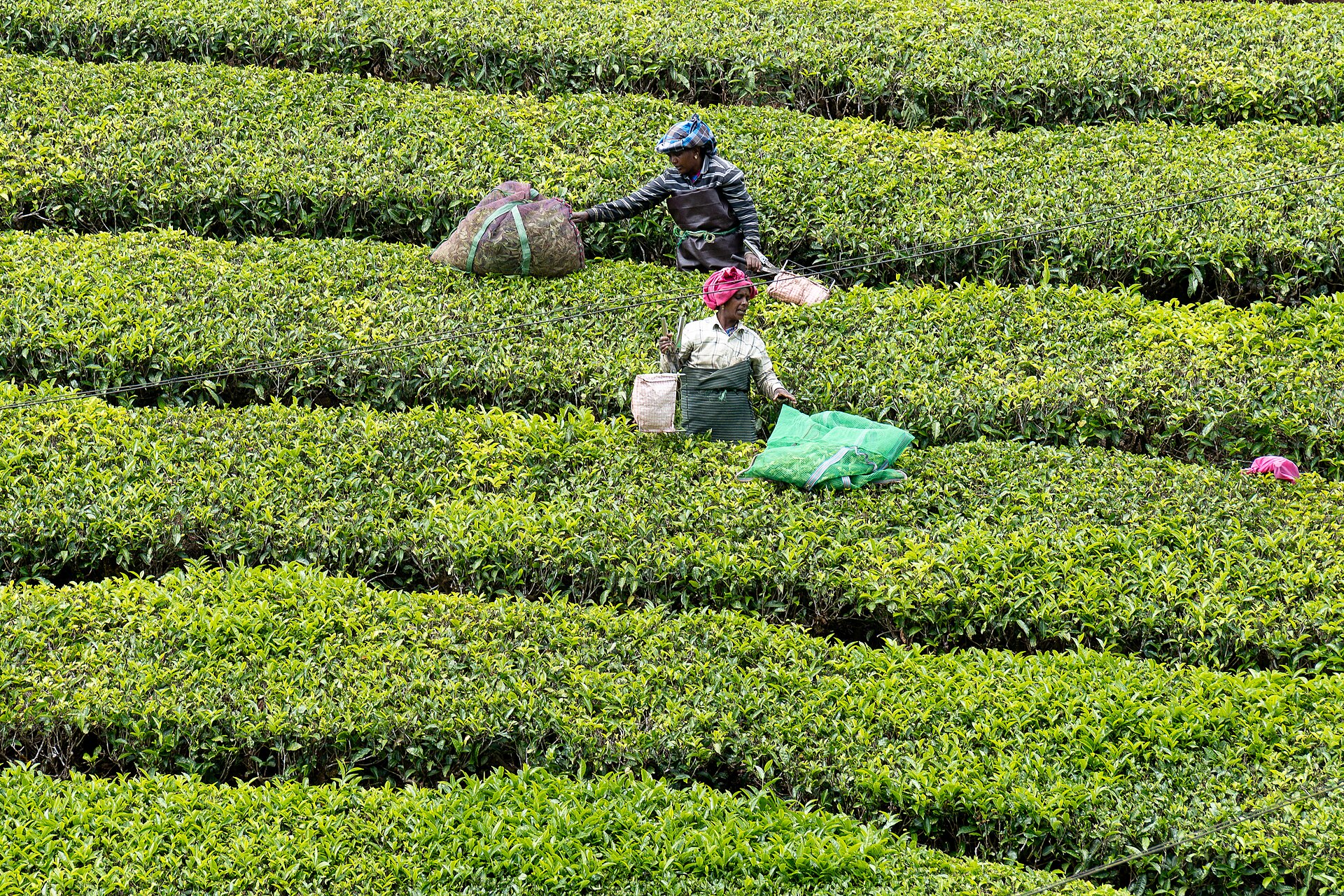
A morning inside a working Darjeeling garden with the planter who runs it. You walk the slopes while the pluckers work the two-leaves-and-a-bud, follow the leaf through withering troughs, rolling and oxidation in the factory, and finish with a formal cupping of the estate's rarest lots — including invoice lots that go to auction rather than to shops.
- First flush
- Second flush
- Muscatel
- Planter's bungalow
- Kanchenjunga
- Cupping
The flushes and what they taste like
Darjeeling is graded by flush — the picking season — more than by garden. A cupping runs through these in order.
- 01
First flush, March to April
Pale, floral and astringent, from the first growth after winter dormancy. The most expensive lots leave for Germany and Japan.
- 02
Second flush, May to June
The muscatel character Darjeeling is famous for, caused by the jassid insect nibbling the leaf. Amber, fruity and full.
- 03
Monsoon flush, July to September
Strong, dark and inexpensive — the leaf that goes into everyday blends rather than single-estate tins.
- 04
Autumn flush, October to November
Coppery and rounded, with Kanchenjunga at its clearest above the gardens.
- 05
White, green and oolong lots
Small experimental batches — silver tips, hand-rolled oolongs — usually only tasted at the estate itself.
What's included
- Guided garden walk with the head planter or manager
- Full factory tour: withering, rolling, oxidation, firing and sorting
- Formal cupping of six to eight lots with the estate taster
- Lunch at the planter's bungalow
- A signed caddy of the estate's current flush to take home
- Transfers from Darjeeling town or Bagdogra on request
How it works
- 1
Morning at the bungalow
First-flush tea on the veranda and the history of the garden before you walk.
- 2
The garden
Down among the bushes with the pluckers, learning what two-leaves-and-a-bud actually means.
- 3
The factory
Follow the day's leaf from the withering trough to the sorting table, as it happens.
- 4
The cupping
Six to eight teas judged the way brokers do, with the estate's own taster calling them.
When to go
March to May for the first flush and clear mountain air, May to June for the muscatel second flush. Factories are quiet in the winter dormancy from December to February.
Frequently asked questions
Which estates do you work with?+
Working relationships with a small number of Darjeeling and Kurseong gardens, including organic biodynamic estates. We name the specific garden when we confirm your date.
When is the best month to visit?+
Late March to mid-April for first flush, or late May to June for second flush. Both are peak production, so the factory is running while you are there.
Is the factory always operating?+
During flush, yes. In the December to February dormancy the machinery is idle — we then focus on the cupping and the garden and price accordingly.
How much walking is there?+
One to two kilometres on steep terraced slopes, around an hour. Gardens sit between 600 and 2,000 metres, so take the gradient slowly.
Can we stay overnight at the estate?+
Several planter's bungalows take a handful of guests. We arrange one- and two-night stays with all meals, which is the best way to see a cupping at dawn.
Will we see Kanchenjunga?+
On clear mornings, yes — best in October and November, and at dawn in April. Cloud commonly closes in by mid-morning.
Can we buy the rare lots we taste?+
Yes, subject to availability; the finest invoice lots are often pre-sold to European buyers. A signed caddy of the current flush is included regardless.
Is it suitable for children?+
Yes. The factory visit is noisy but fascinating, and the walk is manageable for children from about eight.
Reserve this experience
Let's set the date.
Share a few details, a specialist will confirm availability and pricing within one working day.